
New to gel polish?
If you've ever wondered why your gel manicure lifts after a few days, why the color wrinkles under the lamp, or why removing gel polish can feel like a battle, you're not alone.
The good news is that a great gel manicure doesn't require years of salon experience. The key is understanding the basic process and avoiding a few common mistakes.
In this beginner-friendly guide, you'll learn:
-
What gel polish is and how it works
-
What you actually need for a gel manicure
-
How to prepare your nails
-
How to apply gel polish step by step
-
How to cure gel polish correctly
-
How to prevent lifting, wrinkling, and chipping
-
How to remove gel polish without peeling your nails
-
What HEMA-free and TPO-free mean
-
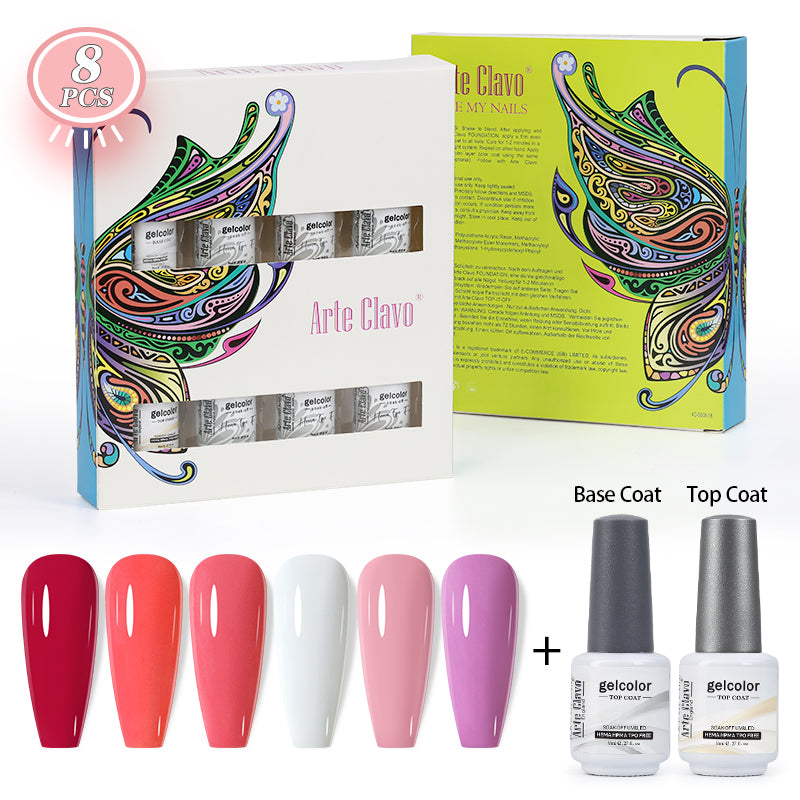
How to build a simple gel polish starter kit
-
Common beginner questions and mistakes
Let's start with the basics.
What Is Gel Polish?
Gel polish is a UV/LED-curable nail coating that is applied to the natural nail and hardened, or cured, under a compatible nail lamp.
Unlike traditional nail polish, which dries primarily through evaporation, gel polish uses light to initiate the curing process.
This is why gel polish can provide:
-
A smooth, glossy finish
-
Longer-lasting wear
-
Less smudging after proper curing
-
A wide range of colors and finishes
-
More time for creating nail art before curing
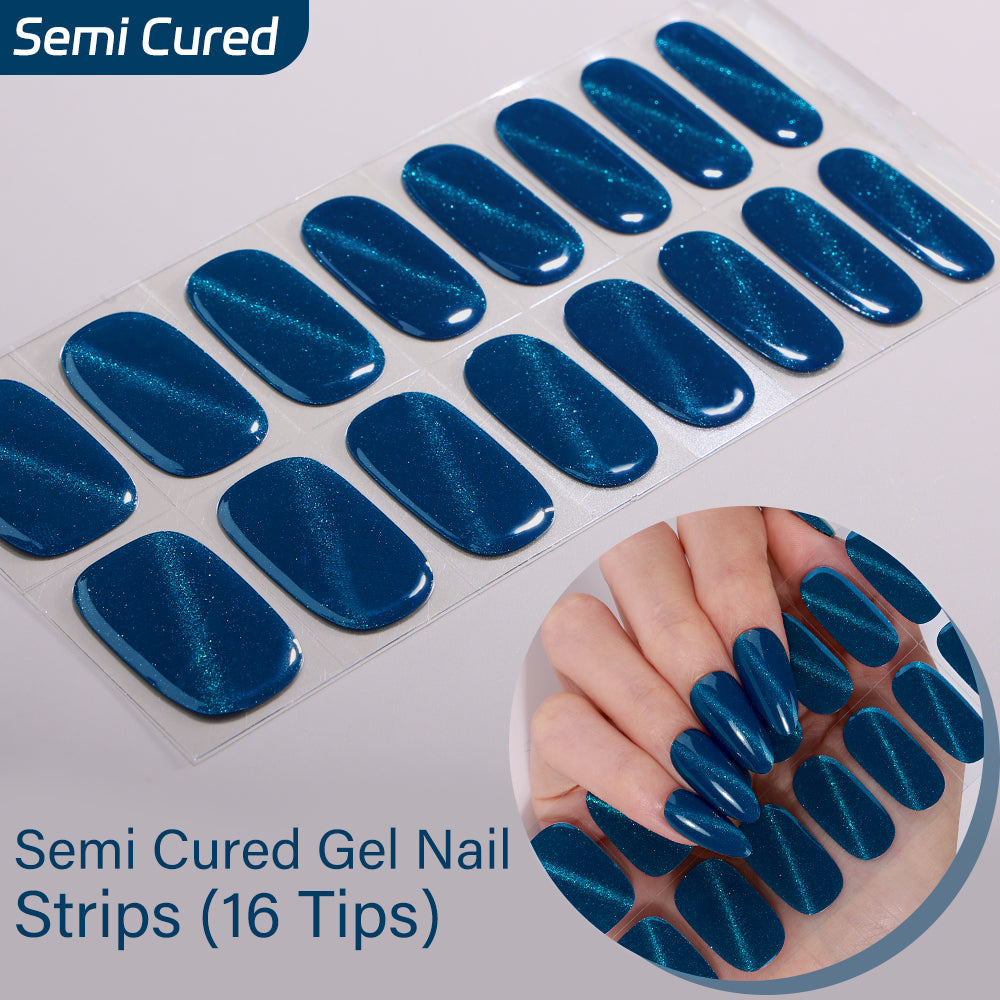
Gel polish is available in many different styles, from classic cream colors to sheer jelly shades, glitter, pearlescent finishes, and magnetic cat-eye effects.
If you're completely new to gel polish, think of the process as:
Prepare → Base → Color → Cure → Color → Cure → Top → Cure
Once you understand that sequence, the rest becomes much easier.
What Do You Need for a Gel Manicure?
You don't need a huge nail-art collection to get started.
A basic gel manicure requires a few essential products.
Nail Preparation
You'll typically need:
-
Nail file
-
Nail buffer
-
Cuticle pusher
-
Lint-free wipes
-
Nail cleanser or alcohol-based preparation product, when recommended
Gel Polish System
You'll need:
-
Base coat
-
Gel color
-
Top coat
Curing
You'll also need:
-
A compatible UV or LED nail lamp
The most important word here is compatible.
Different gel formulas and lamps can have different curing requirements. Don't choose a lamp based only on its wattage. Follow the gel manufacturer's curing instructions and use a lamp designed to work with the product.
Removal
For soak-off gel products, you may also need:
-
Gel remover or acetone-based remover
-
Cotton
-
Foil or removal clips
-
A nail file or buffer
That's enough to start.
You don't need 20 colors, a giant nail-art kit, or every tool you've seen on social media.
Start simple and learn the technique first.
How to Apply Gel Polish Step by Step
The application process is more important than buying a large collection of products.
Here's a beginner-friendly routine.
Step 1: Prepare Your Nails
Good application starts with clean, dry nails.
Begin by:
-
Removing any previous nail product.
-
Shaping your nails with a file.
-
Gently pushing back the cuticles.
-
Lightly buffing the nail surface if your product instructions recommend it.
-
Removing dust and surface oils with an appropriate nail cleanser.
-
Making sure your nails are completely dry before applying gel.
Don't aggressively file the natural nail.
Your goal is to create a clean surface for your gel system, not to thin the nail.
Beginner Tip
Avoid applying gel immediately after washing your hands or soaking your nails.
Excess moisture can make application and adhesion more difficult.
Step 2: Apply Base Coat
Apply a thin, even layer of gel base coat.
Keep the product away from your cuticles and surrounding skin.
If gel touches the skin, clean it up before curing.
Then cure the base coat according to the manufacturer's instructions.
Why Thin Layers Matter
One of the most common beginner mistakes is applying too much product.
A thick layer can cure unevenly and may lead to wrinkling, lifting, or other application problems.
Thin and controlled is better than thick and heavy.
Step 3: Apply Your First Layer of Color
Now it's time for the fun part.
Apply a thin layer of gel color.
Start near the cuticle area without touching the skin, then carefully move toward the free edge.
Try to keep the layer even.
Then cure according to the product instructions.
Don't worry if the first coat looks slightly sheer.
That's normal for many gel formulas.
Step 4: Apply the Second Coat
Apply another thin layer of color.
Cure again.
Most colors achieve their intended opacity after two thin coats, although some shades may require additional coverage.
Sheer formulas, jelly colors, and translucent shades may intentionally remain semi-transparent.
That's part of the look.
Jelly Gel Polish Tip
If you're using a jelly or syrup-style gel polish, don't judge it by the same standard as an opaque cream color.
Jelly formulas are designed to create a translucent, layered appearance.
For a softer look, use fewer coats.
For more depth, build the color gradually with additional thin layers.
Step 5: Apply Top Coat
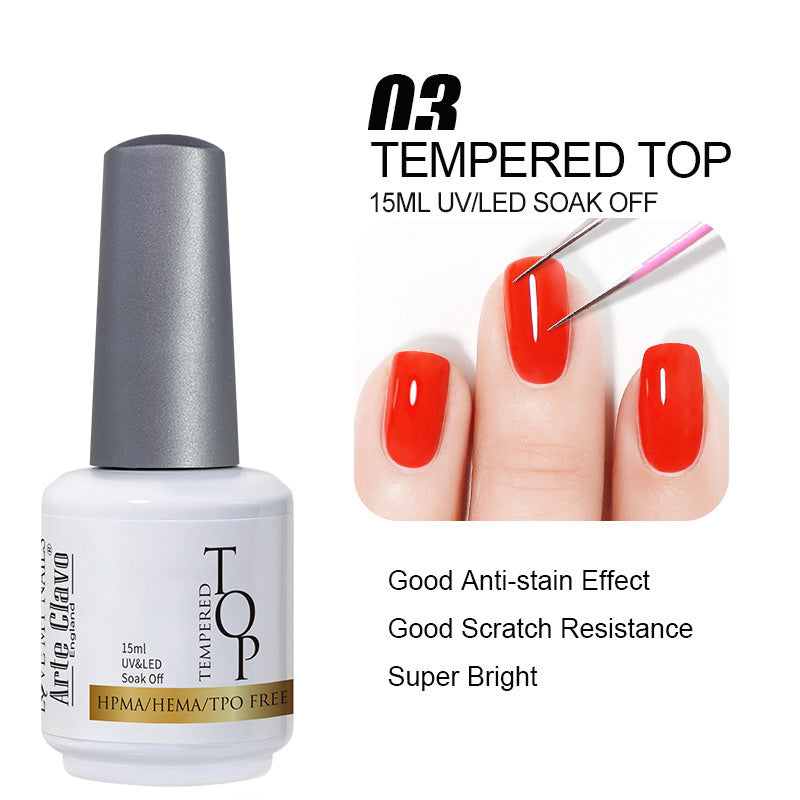
Once your color is fully cured, apply a thin layer of compatible gel top coat.
Make sure the entire nail is covered without flooding the cuticle area.
Cure according to the top coat manufacturer's instructions.
Depending on the product, you may be using:
-
No-wipe top coat
-
Glossy top coat
-
Matte top coat
-
Specialty top coat
A no-wipe top coat can leave a high-shine finish without requiring a separate cleansing step after curing.
Always follow the instructions for the specific top coat you're using.
How Long Does Gel Polish Take to Cure?
There isn't one universal curing time for every gel polish.
Curing depends on factors such as:
-
The gel formula
-
The lamp
-
The lamp's wavelength
-
Lamp output
-
Layer thickness
-
Product instructions
This is why you shouldn't automatically use a random "30 seconds" or "60 seconds" rule for every product.
The Best Rule:
Follow the manufacturer's recommended curing time and lamp requirements.
Also remember that a higher wattage number alone does not guarantee better curing.
A compatible curing system matters more than simply choosing the lamp with the biggest number on the box.
How to Avoid Gel Polish Wrinkling
Wrinkled gel polish is one of the most frustrating beginner problems.
The most common things to check are:
1. Are Your Layers Too Thick?
This is one of the first things to look at.
Apply thinner coats instead of trying to get full coverage in one thick coat.
2. Are You Curing Correctly?
Make sure your lamp is compatible with the product and that you're following the recommended curing time.
3. Is the Gel Formula Too Thick?
Gel polish can become more difficult to apply if it has been stored improperly or exposed to excessive heat.
Keep your products stored according to the manufacturer's recommendations.
4. Are You Applying Too Much Product Around the Cuticle?
Thick buildup around the cuticle can make the manicure look uneven and can contribute to lifting.
How to Prevent Gel Polish From Lifting
If your gel polish starts lifting after only a few days, check your preparation and application process.
Keep Nails Clean and Dry
Oil, dust, and moisture can interfere with adhesion.
Avoid Touching the Nail After Preparation
Once you've cleaned and prepared the nail, avoid touching the nail plate unnecessarily.
Keep Gel Off the Skin
Gel polish should not be cured on the surrounding skin.
Clean up accidental contact before curing.
Apply Thin Layers
Thick application can create curing and adhesion problems.
Use Compatible Products
Whenever possible, use a compatible base coat, color, top coat, and curing system.
Don't Pick at Lifted Gel
If your manicure begins lifting, don't pull the entire product off.
Remove it properly instead.
Should You Cap the Free Edge?
You may have heard nail technicians talk about "capping" the free edge.
This means lightly brushing product across the exposed edge of the nail.
For some gel systems and nail lengths, this can help cover the edge and reduce premature wear.
However, it should not create a thick buildup at the tip.
As always, follow the application instructions for your particular product.
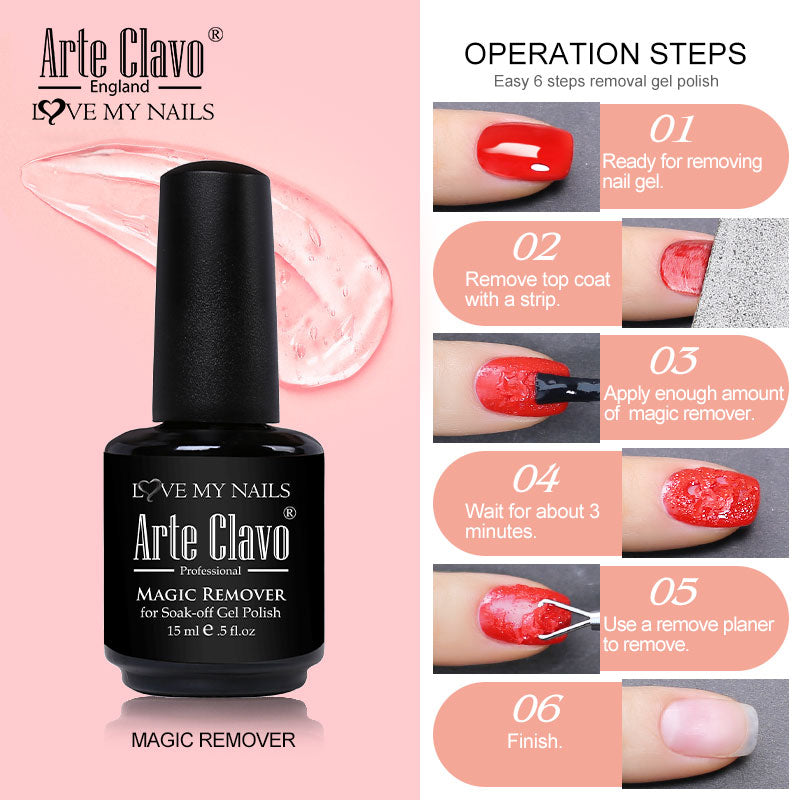
How to Remove Gel Polish Properly
Here's the most important removal rule:
Never Peel or Rip Off Your Gel Polish.
We know it's tempting.
Especially when one corner starts lifting.
But pulling or peeling gel can remove layers of the natural nail along with the product.
Instead, use the removal method recommended for your gel system.
Step 1: Break the Top-Coat Seal
For soak-off gel products, lightly file the shiny surface of the manicure.
You're removing the surface shine, not filing down the natural nail.
This helps the remover penetrate the gel more effectively.
Step 2: Soak the Gel
Saturate cotton with an appropriate gel remover or acetone-based remover.
Place it over the nail and secure it with foil or removal clips.
Allow the product to soak according to the remover and gel manufacturer's instructions.
Don't rush this step.
Step 3: Remove the Softened Gel
Once the gel has softened, gently remove the product.
If it doesn't come away easily, don't force it.
Apply more remover and allow additional soaking time.
Remember:
Patience is better than scraping.
Step 4: Care for Your Nails
After removal:
-
Wash your hands
-
Remove any remaining residue gently
-
Apply cuticle oil
-
Moisturize your hands and nails
Avoid aggressive buffing or scraping.
Your goal is to remove the product while leaving the natural nail as undisturbed as possible.
HEMA-Free Gel Polish: What Does It Mean?
If you've been researching gel polish, you've probably seen the term HEMA-free.
HEMA stands for 2-Hydroxyethyl Methacrylate, an ingredient used in some nail product formulations.
Some consumers specifically choose HEMA-free products because they prefer to avoid HEMA in their nail routine.
However, it's important to understand that:
HEMA-free does not mean allergy-free.
Other ingredients can also cause sensitization in susceptible individuals.
The best practices remain the same:
-
Avoid skin contact with uncured gel
-
Cure the product properly
-
Follow the manufacturer's instructions
-
Remove the product correctly
-
Stop using a product if you experience an unusual reaction and seek appropriate professional advice
If HEMA-free products are important to you, look for clear ingredient and formulation information from the brand.
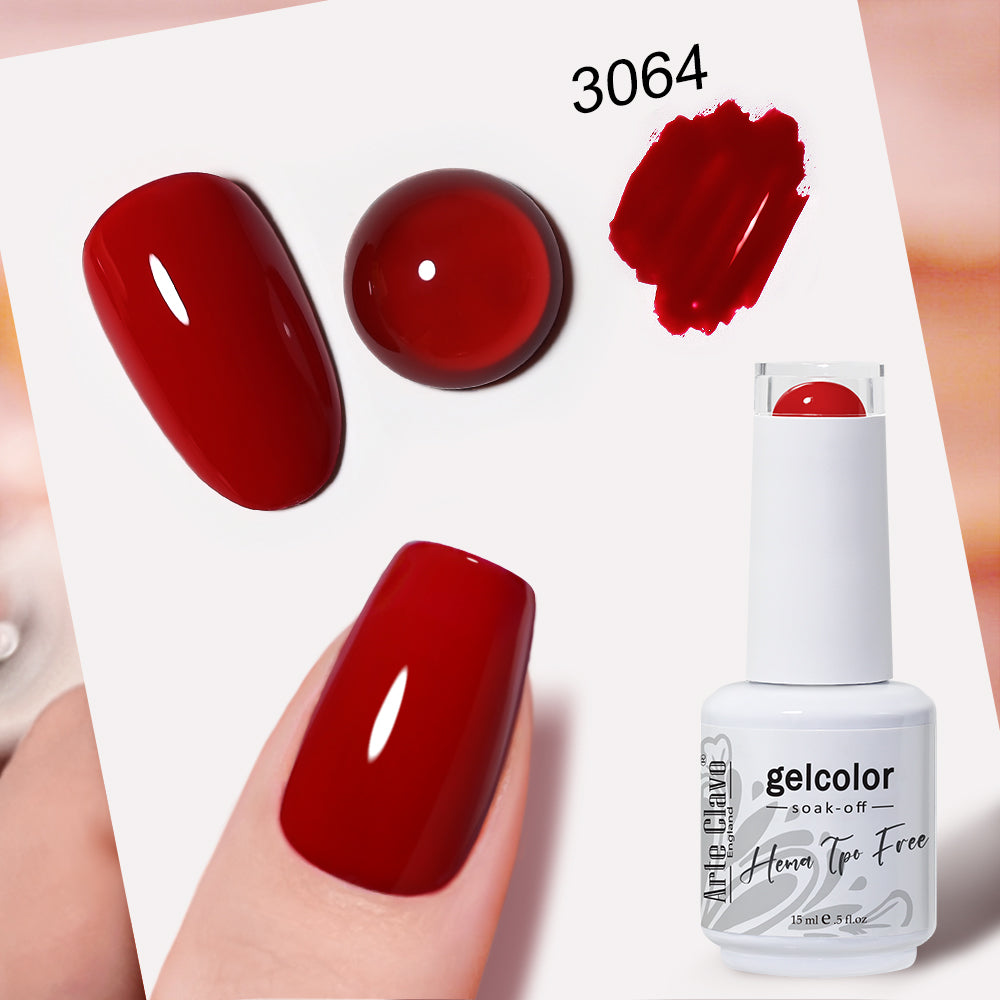
[Explore Arte Clavo HEMA-Free Gel Polish]
What Does TPO-Free Mean?
TPO is short for Trimethylbenzoyl Diphenylphosphine Oxide.
It has been used as a photoinitiator in some UV/LED-curable nail products.
TPO-free gel polish is formulated without TPO.
For shoppers who specifically want TPO-free products, check the product labeling and ingredient information before purchasing.
Arte Clavo offers a selection of HEMA/TPO-free gel products for customers who want these formulation characteristics in their nail routine.
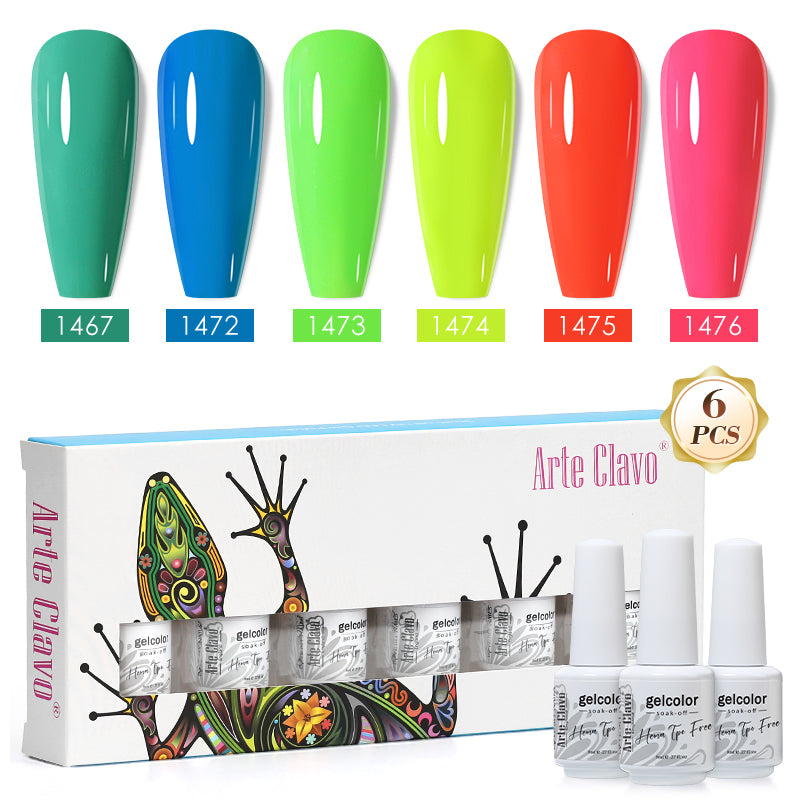
[Shop HEMA/TPO-Free Gel Polish]
Is Gel Polish Safe to Use?
Gel polish is a cosmetic product that requires proper handling and application.
The biggest beginner mistakes usually involve:
-
Curing gel on the skin
-
Incorrect or incomplete curing
-
Aggressive nail preparation
-
Peeling off the product
-
Improper removal
-
Using incompatible products
Good technique matters.
If you develop persistent irritation, swelling, itching, or another unusual reaction after using a nail product, stop using it and seek appropriate professional medical advice.
Don't try to "push through" a reaction.
Gel Polish vs. Regular Nail Polish
If you're deciding between gel and traditional nail polish, here's the basic difference.
| Feature | Gel Nail Polish | Regular Nail Polish |
|---|---|---|
| Drying method | UV/LED curing | Air drying |
| Wear | Generally longer-lasting | Generally shorter-lasting |
| Finish | Often highly glossy | Depends on formula |
| Smudge risk after proper curing | Low | Higher during drying |
| Removal | Requires a specific removal process | Usually simpler |
| Nail art | Excellent for layered designs | Good for many basic designs |
| Equipment | Requires compatible lamp | No lamp required |
Gel polish isn't automatically the right choice for everyone.
If you enjoy changing colors frequently and want a simple routine, regular polish may be more convenient.
If you want longer wear and enjoy experimenting with nail art, gel polish may be worth trying.
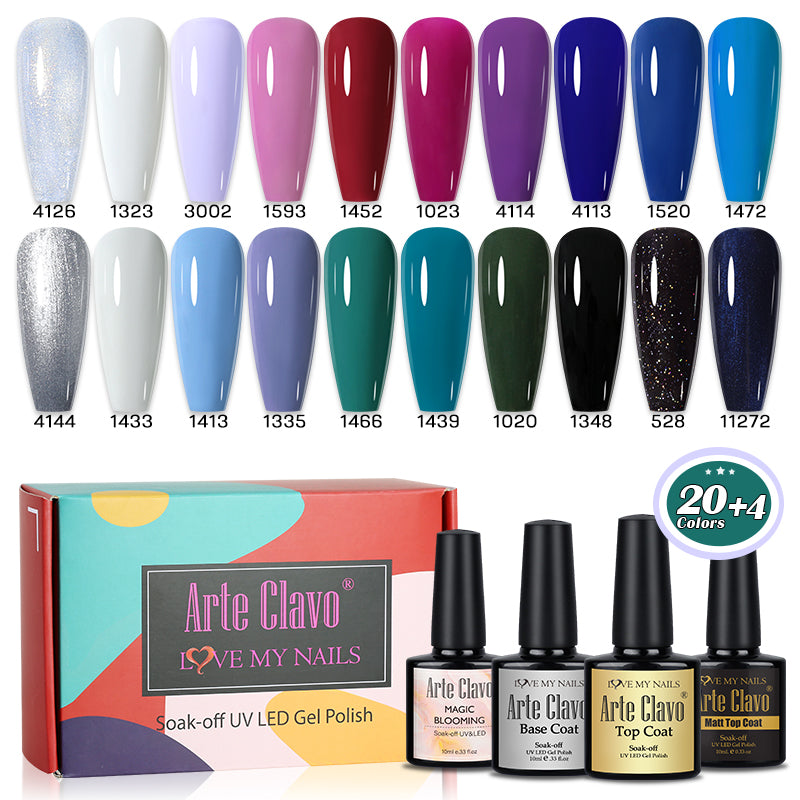
How to Choose Your First Gel Polish Colors
Don't make the classic beginner mistake of buying 30 colors you rarely wear.
Start with a small collection.
A practical beginner palette might include:
1. A Sheer Nude
Perfect for minimalist manicures and French-style designs.
2. A Classic Pink
Easy to wear and suitable for everyday nails.
3. A Deeper Color
Try brown, red, purple, or another shade that works with your wardrobe.
4. A Jelly or Syrup Shade
Great if you want to experiment with translucent nail trends.
5. A Glitter or Cat-Eye Shade
Once you've mastered the basics, add something more playful.
A small collection that you actually use is much better than a large collection sitting untouched.
[Shop Gel Nail Polish by Color]
Beginner Gel Polish Mistakes to Avoid
Mistake #1: Applying Thick Coats
Problem: Wrinkling, uneven curing, and messy application.
Solution: Apply thin layers and build coverage gradually.
Mistake #2: Getting Gel on Your Skin
Problem: Uncured gel contacting the skin can increase the risk of sensitization.
Solution: Keep gel away from the skin and clean up accidental contact before curing.
Mistake #3: Guessing the Curing Time
Problem: Different gel formulas and lamps have different curing requirements.
Solution: Follow the product manufacturer's instructions.
Mistake #4: Peeling Off Your Manicure
Problem: Peeling can remove layers of the natural nail.
Solution: Use the recommended removal method.
Mistake #5: Aggressive Nail Preparation
Problem: Excessive filing can weaken the natural nail.
Solution: Prepare gently and only as much as the product system requires.
Mistake #6: Buying a Lamp Based Only on Wattage
Problem: Wattage alone does not tell you whether a lamp is compatible with a specific gel formula.
Solution: Check the product and lamp specifications and follow the manufacturer's curing instructions.
Mistake #7: Buying Too Many Products Too Soon
Problem: More products can make the beginner process more confusing.
Solution: Start with a simple base, a few colors, a top coat, a compatible lamp, and proper removal supplies.
Your Simple Gel Polish Starter Kit
If you're building your first at-home gel manicure setup, keep it simple.
Essential
-
Compatible UV/LED nail lamp
-
Base coat
-
2–4 gel colors
-
Top coat
-
Nail file
-
Buffer
-
Cuticle pusher
-
Lint-free wipes
-
Nail cleanser/preparation product
-
Gel remover or appropriate removal supplies
Nice to Have Later
Once you're comfortable with basic application, you can add:
-
Cat-eye gel polish
-
Glitter gel polish
-
Jelly gel polish
-
Nail art brushes
-
Chrome powders
-
Nail stickers
-
Charms
-
French manicure tools
You don't need everything on day one.
Master the basic manicure first.
[Explore Arte Clavo Beginner Gel Polish Essentials]
A Simple Beginner Routine
If you want to keep the entire process easy, remember this:
BEFORE APPLICATION
Clean → Shape → Prepare → Dry
APPLICATION
Base → Cure → Color → Cure → Color → Cure → Top → Cure
REMOVAL
File surface → Soak → Gently remove → Moisturize
That's the foundation.
Once you can consistently create a clean basic manicure, everything else becomes an upgrade rather than a struggle.
Frequently Asked Questions
How long does gel polish last?
A properly applied gel manicure can often remain wearable for around two to three weeks, although actual wear time varies depending on nail growth, preparation, application, curing, and daily activities.
How many coats of gel polish should I use?
Many gel colors work well with two thin coats. Some shades may need additional coverage, while sheer jelly formulas may intentionally require fewer coats.
Always prioritize thin, even application over trying to achieve full opacity with one thick coat.
Why is my gel polish peeling after a few days?
Possible causes include inadequate nail preparation, product touching the surrounding skin, thick application, incompatible products, improper curing, or normal nail growth.
Check your preparation and curing process first.
Why does my gel polish wrinkle?
Wrinkling can happen when the product is applied too thickly or isn't curing as intended.
Try thinner layers and make sure your lamp and gel formula are compatible.
Do I need a UV or LED lamp?
Most gel nail polishes require a compatible UV or LED curing lamp.
Check the product instructions before purchasing or using a lamp.
Can I cure gel polish with any LED lamp?
Not necessarily.
Different gel products can have different curing requirements. A lamp that physically turns on is not necessarily a lamp that will properly cure every gel formula.
Check the manufacturer's recommended lamp specifications.
Can I peel off gel polish?
No.
Peeling or picking at gel polish can remove layers of the natural nail.
Use the recommended removal process instead.
Is HEMA-free gel polish allergy-free?
No.
HEMA-free means the formula does not contain HEMA. It does not mean the product is incapable of causing sensitization or irritation.
Avoid skin contact with uncured gel and follow the product instructions carefully.
What is TPO-free gel polish?
TPO-free gel polish is formulated without Trimethylbenzoyl Diphenylphosphine Oxide, a photoinitiator used in some UV/LED-curable products.
Can beginners do gel nails at home?
Yes.
Start with a simple color and focus on preparation, thin application, proper curing, and gentle removal.
You don't need advanced nail-art skills to create a clean gel manicure.
Ready to Try Gel Polish?
You don't need to be a professional nail technician to start creating beautiful gel manicures at home.
Start with the basics:
Prepare carefully.
Apply thin layers.
Keep gel away from the skin.
Cure according to instructions.
Remove gently.
Once those habits become automatic, you can start exploring everything that makes gel polish fun — from translucent jelly nails and minimalist neutrals to glitter, cat-eye effects, and bold seasonal colors.
Explore Arte Clavo's HEMA/TPO-free gel polish collection and find the colors and essentials for your next at-home manicure.