
If you've been shopping for gel nail polish recently, you've probably seen a new term everywhere:
TPO-free.
But what exactly is TPO?
Why is it suddenly appearing on gel polish labels and product pages?
How can you tell whether a nail product contains TPO?
And what does the EU ban on TPO actually mean for nail technicians and consumers?
This guide explains everything in simple terms — including the ingredient name to look for, where to find it on a nail product label, what the EU regulation changed, and how to choose TPO-free gel polish.
What Is TPO in Gel Nail Polish?
TPO stands for Trimethylbenzoyl Diphenylphosphine Oxide.
Its INCI name is also listed as:
Trimethylbenzoyl Diphenylphosphine Oxide
TPO has been used as a photoinitiator in some UV/LED-curable nail products. In simple terms, a photoinitiator helps a gel formula react to light so that the product can cure under a suitable nail lamp.
Because gel polish relies on light-activated curing, photoinitiators are an important part of many gel formulations.
TPO is not the only photoinitiator that can be used in UV/LED-curable nail products.
However, TPO has received particular attention because of its regulatory status in the European Union.
Why Is TPO Suddenly Such a Big Topic?
The reason is the EU Cosmetics Regulation.
The European Union adopted Commission Regulation (EU) 2025/877, which added TPO to the list of substances prohibited in cosmetic products following its classification as a Category 1B reproductive toxicant under the EU classification system.
The prohibition took effect on:
September 1, 2025
From that date, TPO is prohibited in cosmetic products placed on the EU market.
The European Commission has also clarified that there is no transitional period allowing existing TPO-containing cosmetic stock to continue being sold or used in the EU after the prohibition applies.
This is why TPO-free gel polish has become an increasingly important consideration for brands, nail professionals, and consumers.
What Does the EU TPO Ban Actually Mean?
There is a lot of confusing information online, so let's make the distinction clear.
The EU rule is not simply a recommendation for brands to stop using TPO.
Under the Cosmetics Regulation, TPO is now prohibited in cosmetic products in the EU.
The European Commission's guidance specifically addresses both professional users and industry questions about the prohibition.
For EU consumers and nail professionals, this means that cosmetic nail products containing TPO should not be placed on the EU market or used as cosmetic products after the prohibition took effect.
If you sell nail products internationally, however, remember that cosmetic regulations can differ between countries and regions.
Always check the rules that apply in the market where your products are being sold.
How to Spot TPO on a Gel Polish Label
This is the most useful part for consumers.
You don't need to understand every ingredient on an INCI list.
Start by looking for the ingredient name:
Trimethylbenzoyl Diphenylphosphine Oxide
You may also encounter chemical naming variations in technical documents, but for consumers checking a cosmetic ingredient list, the INCI ingredient name is the most useful reference.
The CAS number associated with TPO is:
CAS 75980-60-8
However, the CAS number is mainly useful when checking technical or regulatory documentation. For everyday shopping, start with the ingredient list on the product packaging or product documentation.
Where Should You Look?
Turn the bottle or packaging over and look for the ingredient information.
Depending on the product and market, ingredient information may appear on:
-
The bottle
-
Product packaging
-
Product label
-
Brand website
-
Product specification sheet
-
Regulatory documentation
If you're buying online, don't rely only on a large "TPO-Free" badge.
Look for clear ingredient or formulation information when available.
What If You See "Trimethylbenzoyl Diphenylphosphine Oxide"?
If that ingredient appears in the ingredient information, the product contains TPO.
For shoppers specifically looking for TPO-free gel polish, choose a product whose formulation does not contain TPO.
And if you're purchasing products for sale or professional use in the EU, make sure the entire product complies with the applicable EU cosmetics requirements.
Is TPO the Same as TPO-Free?
No.
These terms describe two different formulations.
TPO
The product contains Trimethylbenzoyl Diphenylphosphine Oxide.
TPO-Free
The product is formulated without TPO.
A product can still use other photoinitiators to achieve UV/LED curing.
So:
TPO-free does not mean "photoinitiator-free."
It simply means TPO is not part of the formulation.
What About TPO-L, BAPO and Other Photoinitiators?
This is where online discussions can become confusing.
TPO is one specific chemical.
Other photoinitiators may have different chemical identities and regulatory classifications.
For example, you may see names such as:
-
Ethyl Trimethylbenzoyl Phenylphosphinate
-
Bis-Trimethylbenzoyl Phenylphosphine Oxide
-
Other photoinitiators used in UV/LED-curable formulas
The fact that an ingredient has "TPO" in a common or abbreviated name does not automatically mean that it is the same substance as TPO (Trimethylbenzoyl Diphenylphosphine Oxide).
Likewise, you should not assume that every alternative photoinitiator is automatically permitted everywhere.
Regulatory status depends on the specific substance, product category, concentration, and market.
If EU compliance matters to you, check the current EU Cosmetics Regulation and the product's regulatory documentation rather than relying on social-media ingredient lists.
Is TPO Dangerous?
This question needs a careful answer.
The European Union's prohibition is based on TPO's classification as a Category 1B substance toxic for reproduction under the applicable EU classification framework.
The European Commission's current regulatory position is therefore much more important than older online articles discussing whether TPO was acceptable under previous rules.
In fact, the European Commission's earlier Scientific Committee on Consumer Safety opinion from 2014 had assessed TPO as a moderate skin sensitizer and had considered its use in certain professional nail applications under the conditions evaluated at that time.
That older opinion should not be interpreted as current EU authorization.
The regulatory situation changed after TPO was classified as a Category 1B reproductive toxicant, leading to its prohibition in EU cosmetic products from September 1, 2025.
Does TPO-Free Mean Allergy-Free?
No.
This is an important distinction.
TPO-free does not mean allergy-free.
Gel nail products contain multiple ingredients, and certain acrylates and methacrylates can cause sensitization in susceptible individuals.
Good application technique still matters.
When using gel polish:
-
Avoid unnecessary skin contact with uncured product.
-
Clean up accidental skin contact before curing.
-
Follow the recommended curing time.
-
Use a compatible nail lamp.
-
Remove the product according to the manufacturer's instructions.
-
Do not peel or forcefully scrape cured gel from the natural nail.
Choosing a TPO-free formula is one ingredient consideration. It does not replace proper application and removal practices.
How to Check if Your Gel Polish Is TPO-Free
Here's a simple process.
Step 1: Find the Ingredient List
Check the bottle, packaging, product page, or technical documentation.
Step 2: Search for the INCI Name
Look for:
Trimethylbenzoyl Diphenylphosphine Oxide
Step 3: Check the Brand's TPO-Free Claim
If a product is marketed as TPO-free, look for supporting ingredient information.
Step 4: Ask the Brand if You're Still Unsure
If you cannot find enough information, contact the manufacturer or seller.
For professional nail technicians, keeping product documentation can also make ingredient and compliance checks easier.
TPO-Free vs. HEMA-Free: What's the Difference?
These two terms are often placed together on gel polish packaging, but they describe different things.
TPO-Free
Means the formula does not contain:
Trimethylbenzoyl Diphenylphosphine Oxide
HEMA-Free
Means the formula does not contain:
2-Hydroxyethyl Methacrylate
They are two different ingredients.
A product can be:
-
HEMA-free but contain TPO
-
TPO-free but contain HEMA
-
HEMA-free and TPO-free
-
Neither
So if you specifically want both characteristics, look for products clearly labeled:
HEMA-Free + TPO-Free
Why Choose HEMA/TPO-Free Gel Polish?
Ingredient transparency gives consumers more control over the products they use.
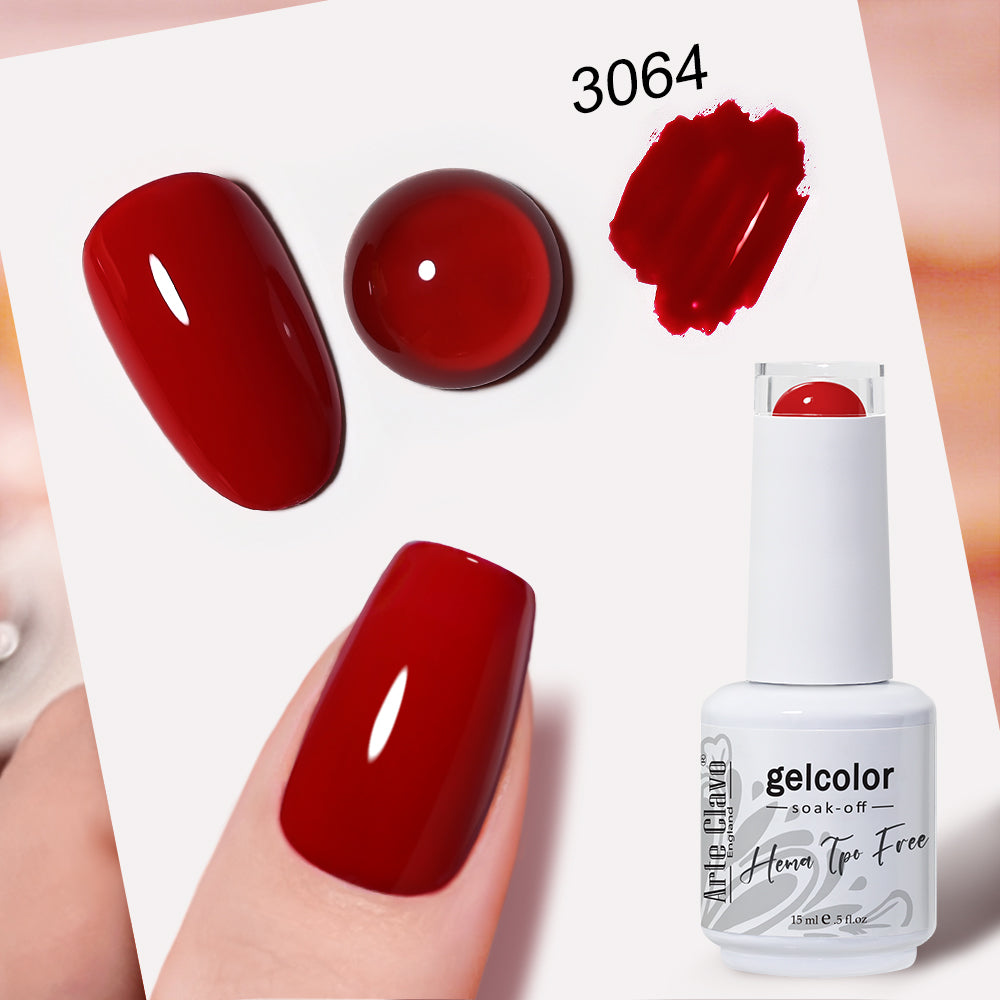
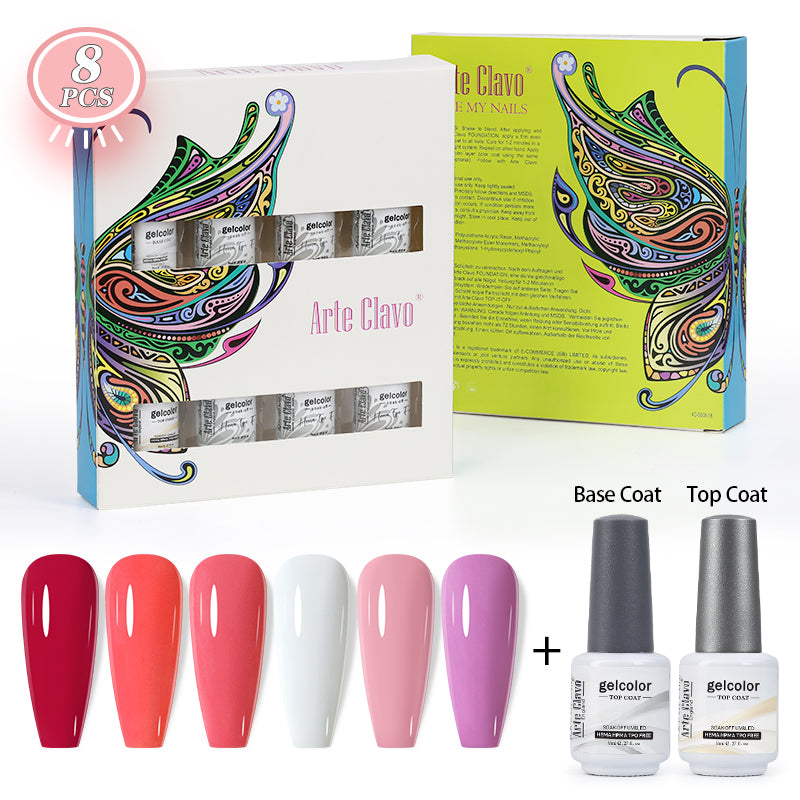
At Arte Clavo, we focus on HEMA/TPO-free gel polish options for customers who specifically want formulas without these two ingredients.
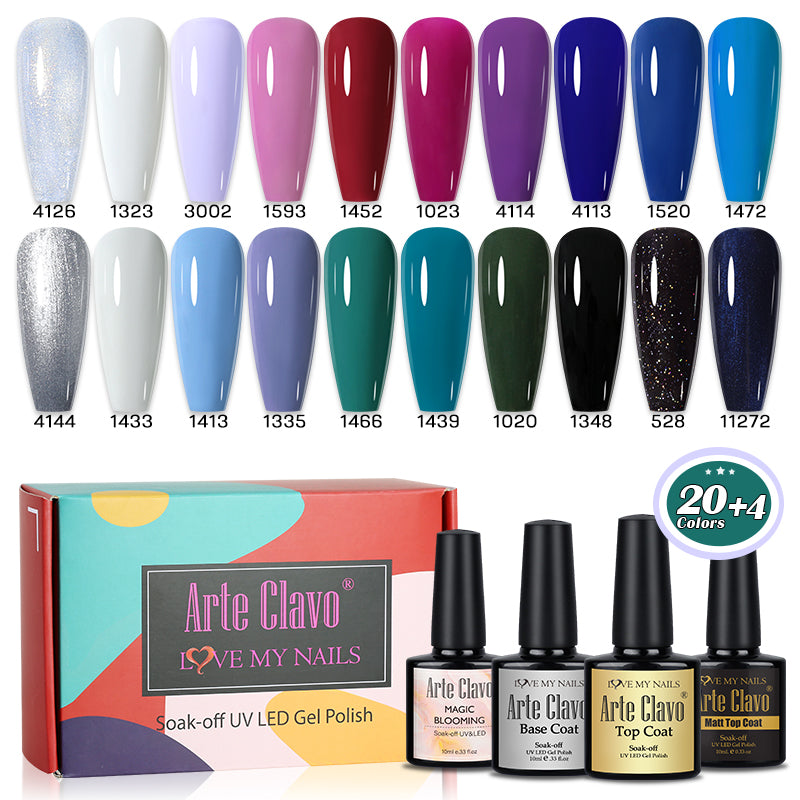
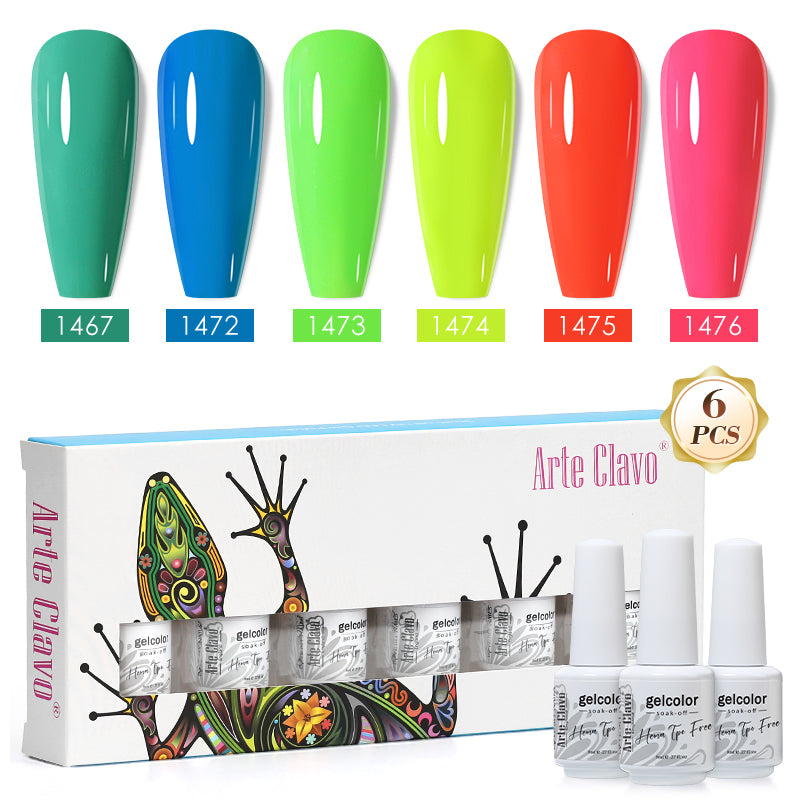
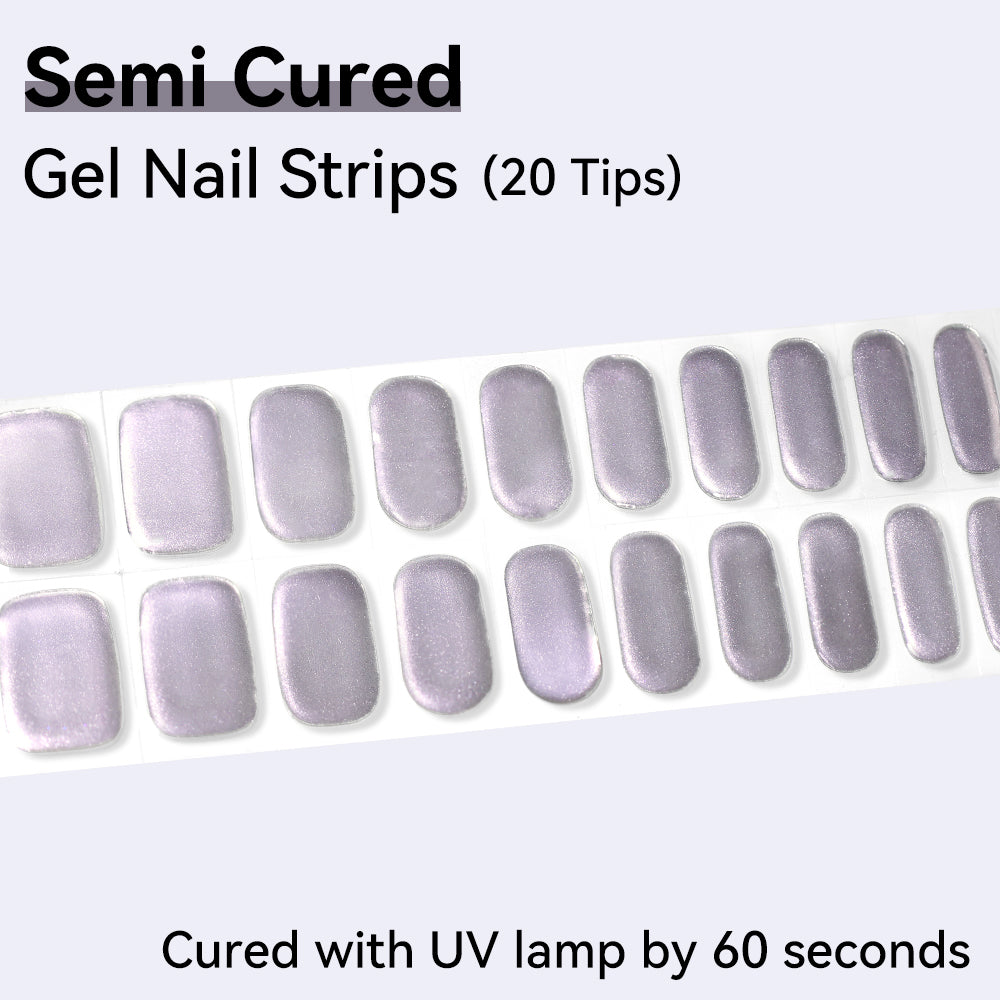
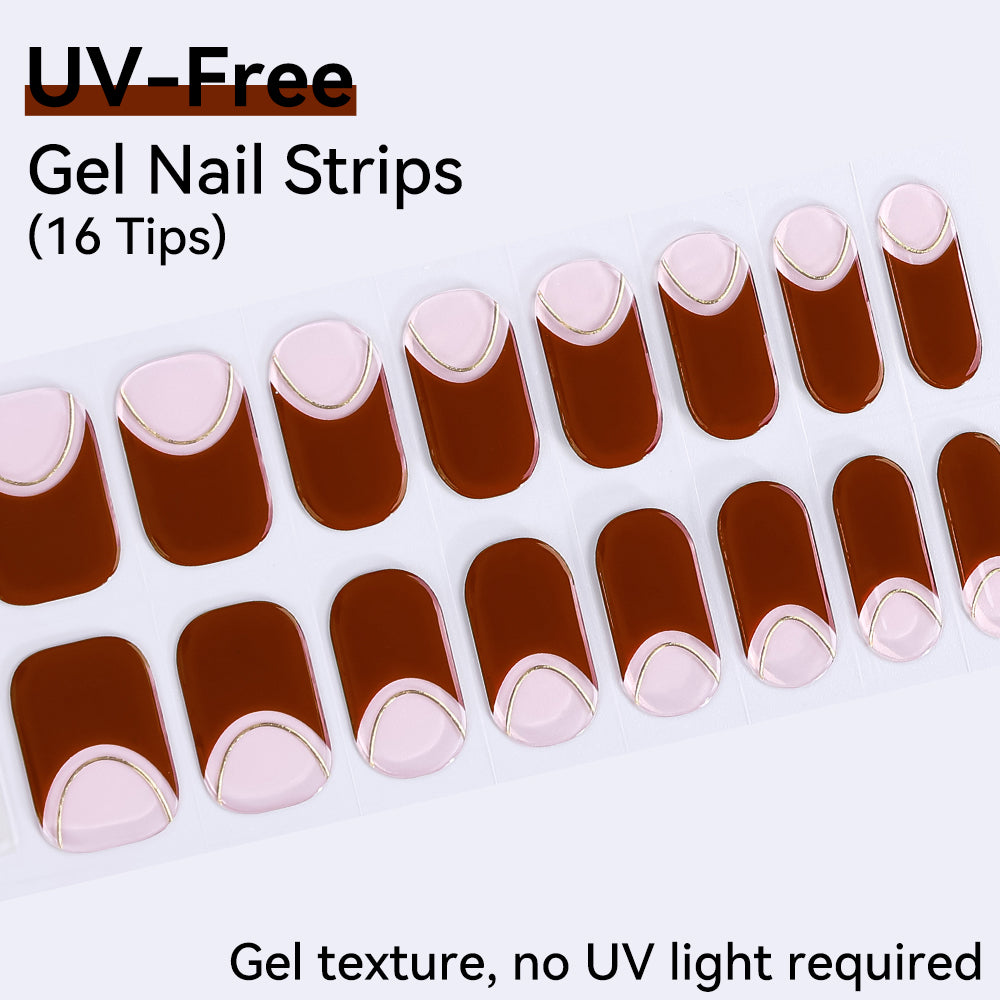
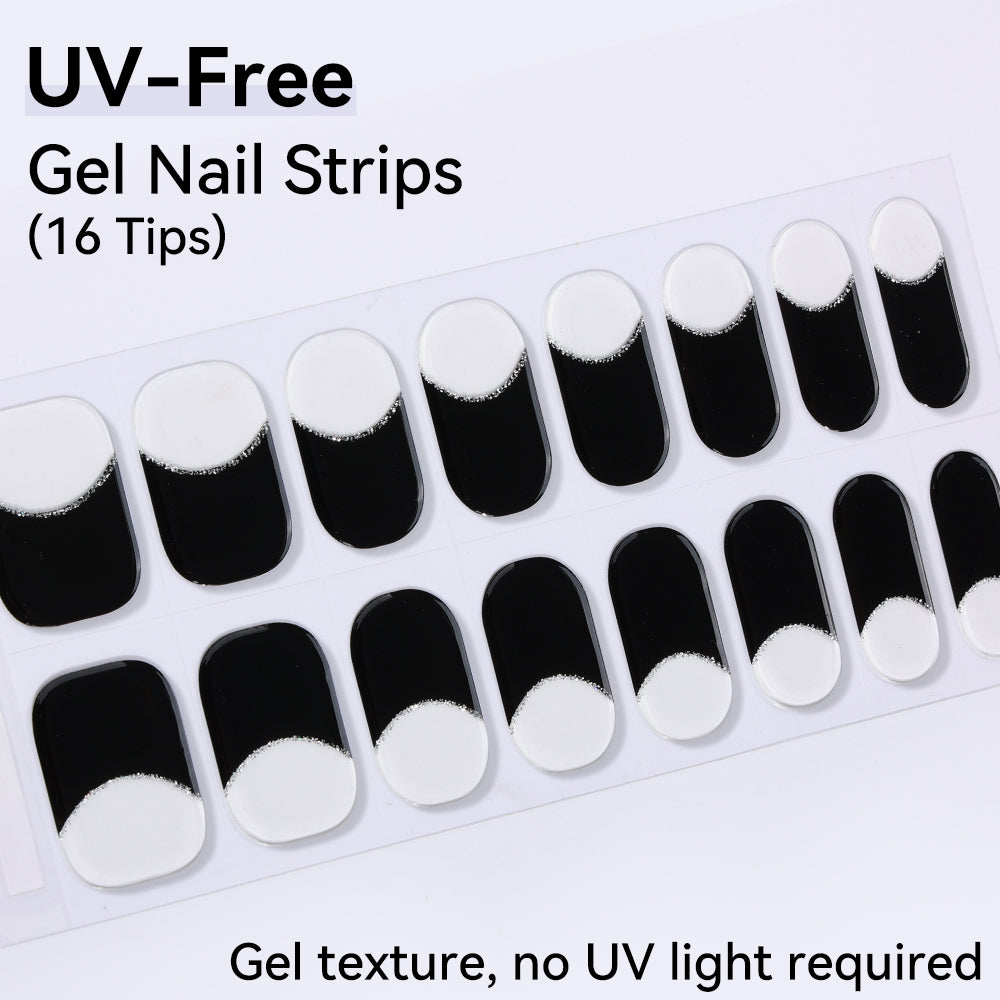
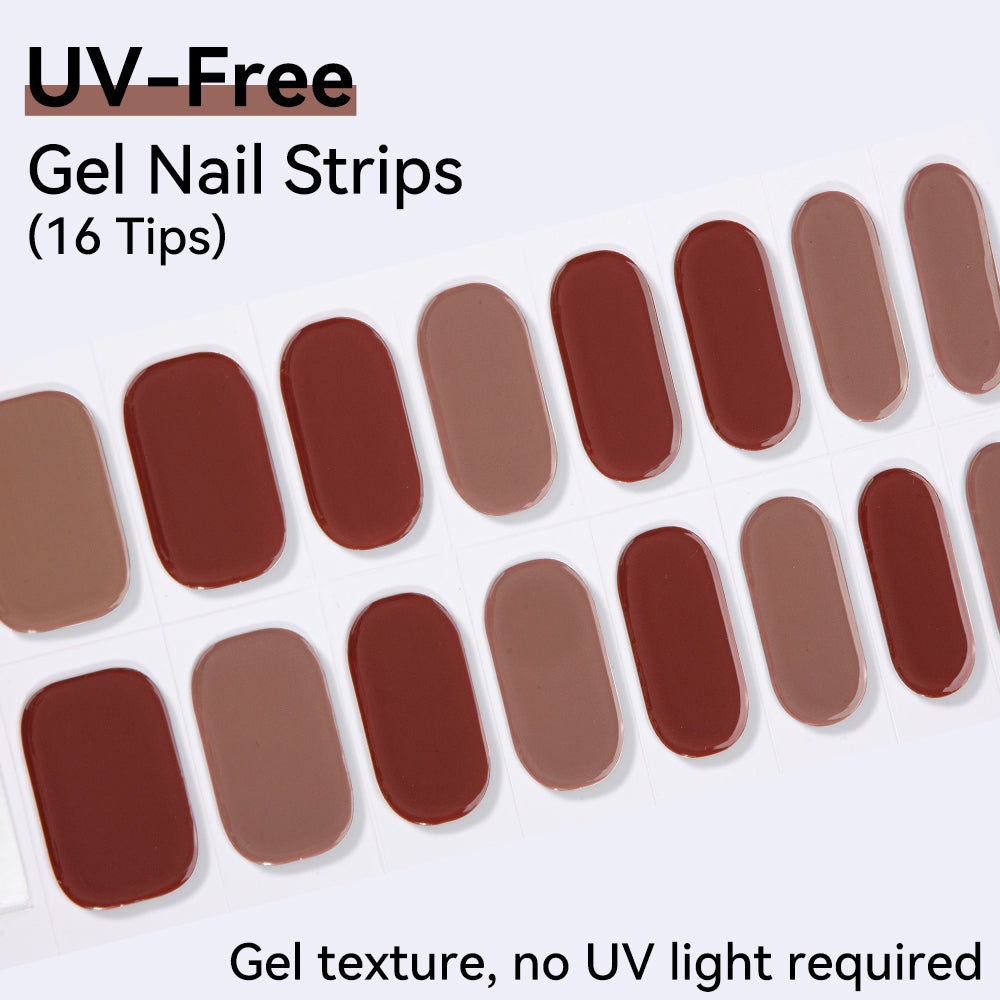
Our collection includes a wide range of colors and finishes, from everyday neutrals to jelly, glitter, pearlescent, and magnetic styles.
[Explore Arte Clavo HEMA/TPO-Free Gel Polish]
What Should Nail Technicians Check?
If you're a professional nail technician, ingredient awareness becomes even more important because you may handle many different products throughout the day.
Before using a gel product, consider checking:
Product Ingredients
Know what is in the formula.
Regulatory Information
Make sure the product is compliant with the rules of the market where you operate.
Curing Instructions
Follow the manufacturer's curing requirements.
Lamp Compatibility
Use a curing lamp appropriate for the gel system.
Skin Contact
Avoid unnecessary contact with uncured gel.
Removal Procedure
Use the recommended removal method rather than aggressive scraping or peeling.
For EU professionals, TPO-containing cosmetic products should not be used after the September 1, 2025 prohibition took effect.
What Should Consumers Check Before Buying Gel Polish?
You don't need to become a cosmetic chemist.
Just check a few basics.
1. Is the Product Clearly Labeled?
Look for clear product information and ingredient details.
2. Is It TPO-Free?
If this matters to you, look for an explicit TPO-free claim supported by product information.
3. Is It HEMA-Free?
If you also want to avoid HEMA, check for a HEMA-free formulation.
4. Is the Lamp Compatible?
Make sure you have the appropriate curing system.
5. Does the Brand Provide Clear Instructions?
A trustworthy brand should explain how to apply and cure its products.
6. Can You Find Ingredient Information?
Transparency makes it easier to make an informed choice.
TPO-Free Does Not Mean You Can Skip the Basics
Choosing a TPO-free gel polish is only one part of a good manicure routine.
You should still:
Prepare your nails properly.
Keep the nail surface clean and dry.
Apply thin layers.
Avoid excessive product buildup.
Keep uncured gel off your skin.
Clean accidental contact before curing.
Use the correct curing system.
Follow the manufacturer's instructions.
Remove gel gently.
Never peel or force the product off.
These habits are important regardless of whether a formula is TPO-free.
Why Arte Clavo Uses TPO-Free Formulas
At Arte Clavo, we believe consumers should not have to guess what is in their nail products.
Our HEMA/TPO-free gel polish collection is designed for customers who specifically want formulas made without HEMA and TPO.
Instead of making broad safety promises, we focus on clear product information and straightforward ingredient choices.
Our collection includes:
-
HEMA/TPO-free gel polish
-
HEMA/TPO-free base coats
-
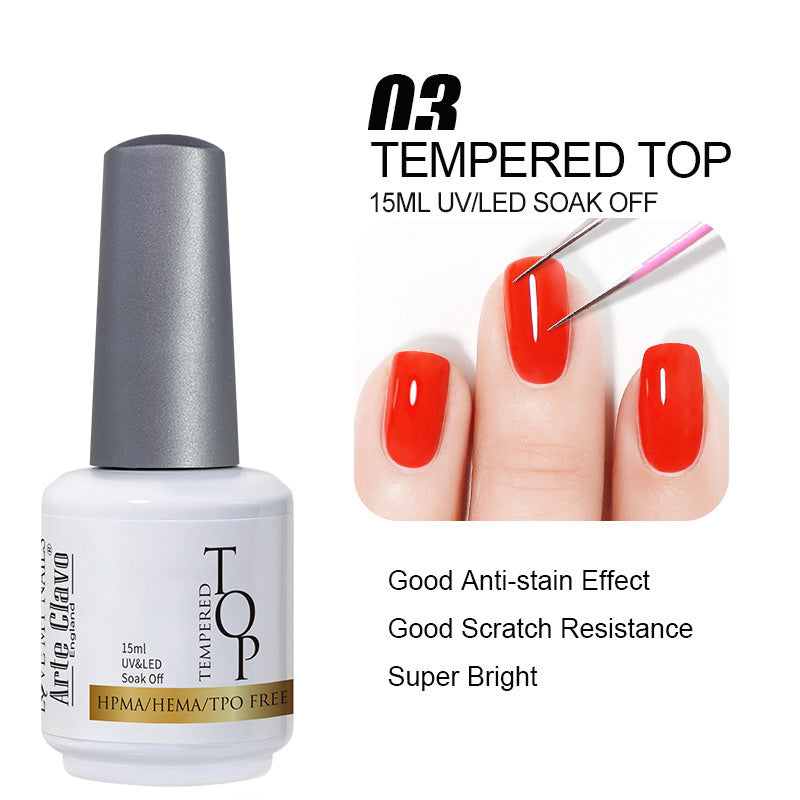
HEMA/TPO-free top coats
-
Jelly and translucent colors
-
Glitter and pearlescent finishes
-
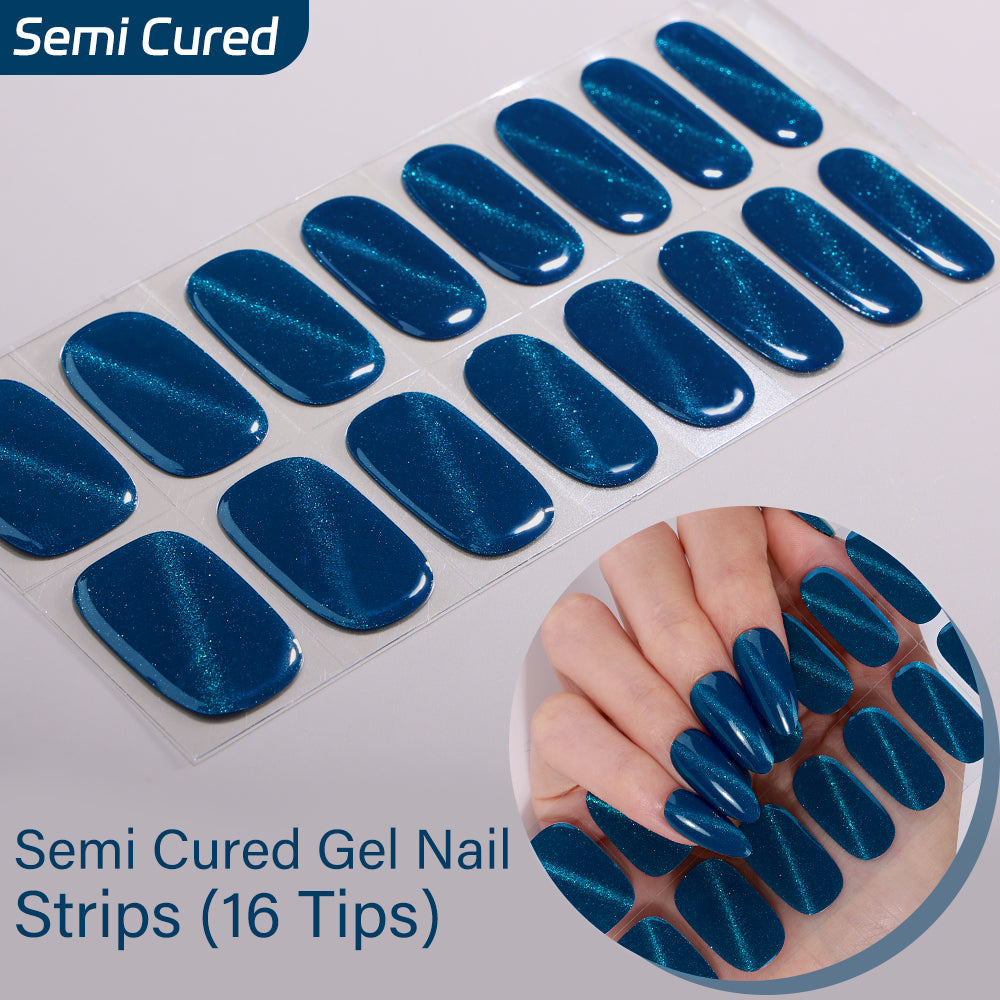
Cat-eye gel polish
-
Color collections for different styles
[Shop Arte Clavo HEMA/TPO-Free Collection]
Frequently Asked Questions About TPO in Nail Products
What does TPO stand for in gel polish?
TPO stands for Trimethylbenzoyl Diphenylphosphine Oxide. It is a photoinitiator that has been used in some UV/LED-curable nail products.
Is TPO banned in gel polish?
In the European Union, TPO has been prohibited in cosmetic products since September 1, 2025 under Commission Regulation (EU) 2025/877.
Regulations in other countries may differ.
How do I know if my gel polish contains TPO?
Check the ingredient information for Trimethylbenzoyl Diphenylphosphine Oxide. You can also contact the manufacturer if the ingredient information is unclear.
What is the CAS number for TPO?
The CAS number associated with TPO is 75980-60-8.
For consumers, however, the INCI ingredient name is usually more useful when checking a cosmetic label.
Is TPO the same as TPO-L?
No.
TPO and TPO-L refer to different chemical substances. Do not assume that the presence of "TPO" in an abbreviated name means the ingredient is chemically identical to TPO.
Always check the full ingredient name and the applicable regulatory requirements.
Is TPO-free the same as HEMA-free?
No.
TPO-free and HEMA-free refer to different ingredients.
If you want to avoid both, look specifically for a product labeled HEMA-free and TPO-free.
Does TPO-free mean the gel polish is completely safe?
No cosmetic ingredient claim should be interpreted as a guarantee that a product cannot cause irritation or sensitization.
Proper application, curing, and removal remain important.
Can I still use TPO gel polish in Europe?
The EU prohibition on TPO in cosmetic products has applied since September 1, 2025. The European Commission states that there was no transitional period for continued sale or use of existing TPO-containing cosmetic stock.
If you have questions about a specific product or professional situation, check the current EU rules or consult the relevant regulatory authority.
Why is TPO-free gel polish becoming more popular?
The EU prohibition has increased awareness of TPO among nail professionals, brands, and consumers. As a result, many shoppers now actively look for TPO-free nail products.
A Simple TPO Label Checklist
Before buying your next gel polish, remember:
✓ Find the ingredient information
✓ Look for Trimethylbenzoyl Diphenylphosphine Oxide
✓ Check whether the product is explicitly TPO-free
✓ Check HEMA information if that matters to you
✓ Make sure the curing system is compatible
✓ Follow the manufacturer's instructions
✓ Avoid uncured gel touching your skin
✓ Check the regulations that apply in your country
That's all you need to get started.
You don't need to understand every chemical on an ingredient list.
You just need to know what you're looking for.
Choose Gel Polish With More Confidence
TPO is only one ingredient in a gel polish formula, but understanding it can help you make more informed purchasing decisions.
If you're shopping in the EU, the regulatory change is especially important: TPO has been prohibited in cosmetic products there since September 1, 2025.
For consumers elsewhere, local regulations may be different, so always check the requirements that apply to your market.
And regardless of the formula you choose, good nail habits still matter:
Read the label.
Use compatible products.
Cure correctly.
Keep uncured gel off the skin.
Remove your manicure gently.
If you're looking for HEMA/TPO-free gel polish, explore the Arte Clavo collection and find a formula that fits your nail routine.
Shop HEMA/TPO-Free Gel Polish →