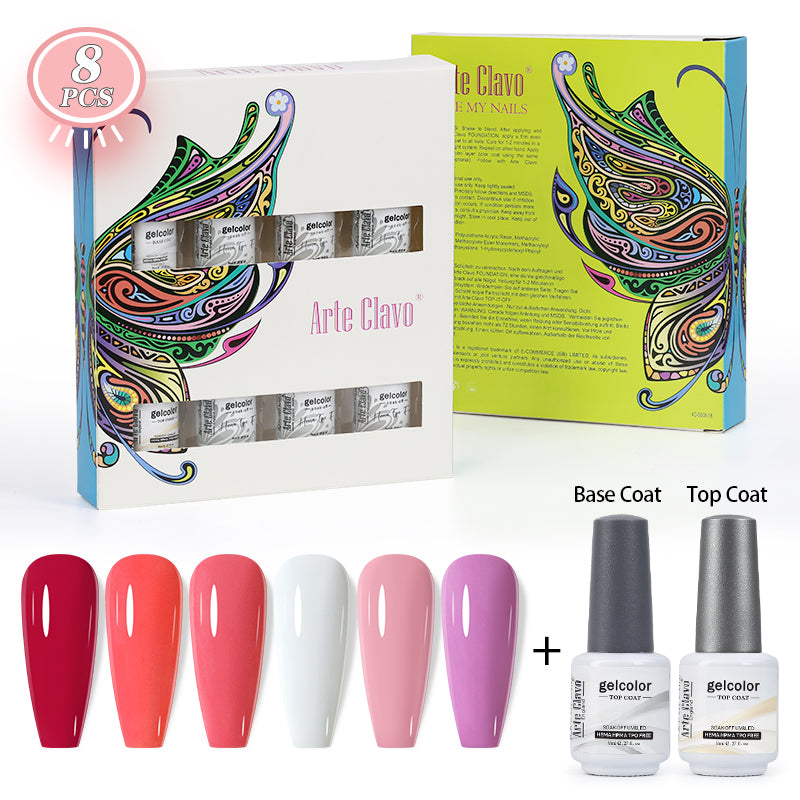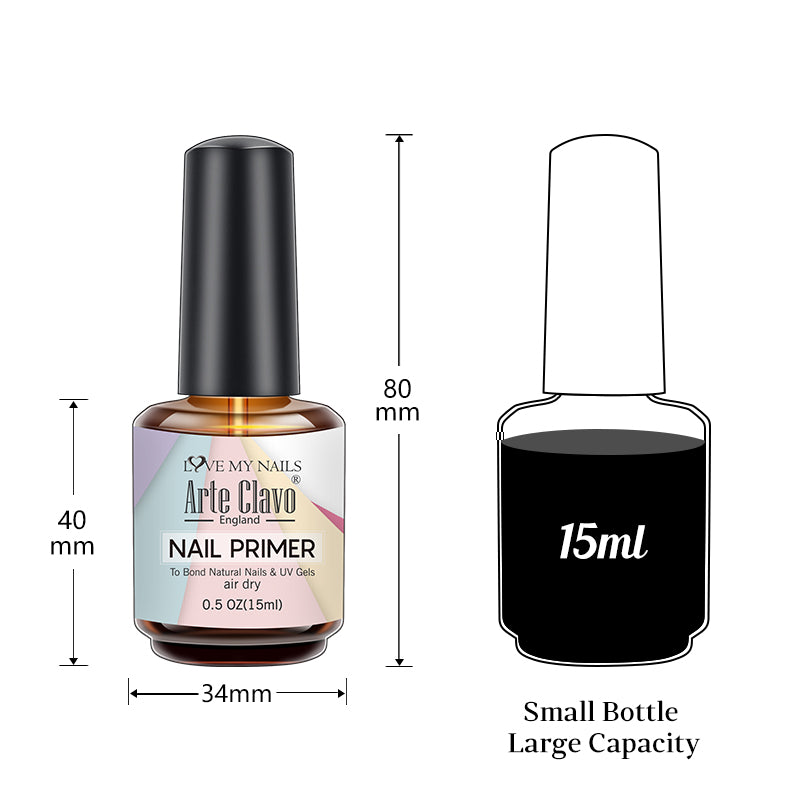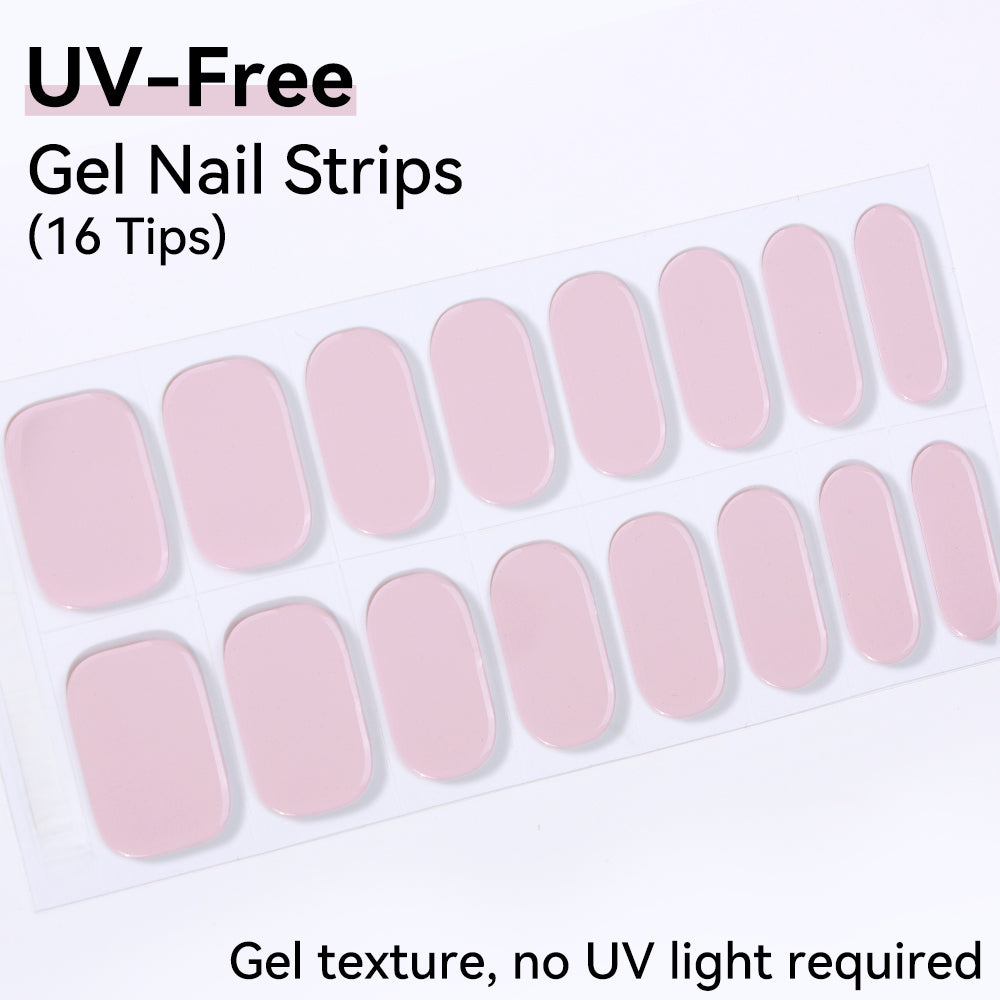

Gel nail polish has changed the way people do their nails at home. With a glossy finish, long-lasting wear, and hundreds of colors and finishes to choose from, gel polish makes it possible to create a salon-inspired manicure without leaving home.
But if you're new to gel polish, you may have questions:
How does gel nail polish work?
How long does it last?
Do you need a UV or LED lamp?
How do you apply and remove it?
And what should you look for when choosing a gel polish?
This guide covers everything you need to know about gel nail polish, from its benefits and application process to HEMA-free and TPO-free formulas, removal tips, and common mistakes to avoid.
What Is Gel Nail Polish?
Gel nail polish is a nail coating designed to cure under a UV or LED nail lamp rather than air-drying like traditional nail polish.
Unlike regular nail polish, gel polish contains ingredients that react to light during the curing process. Once properly cured according to the product and lamp manufacturer's instructions, the polish forms a durable coating with a smooth, glossy finish.
Gel polish is available in a wide variety of colors and finishes, including:
-
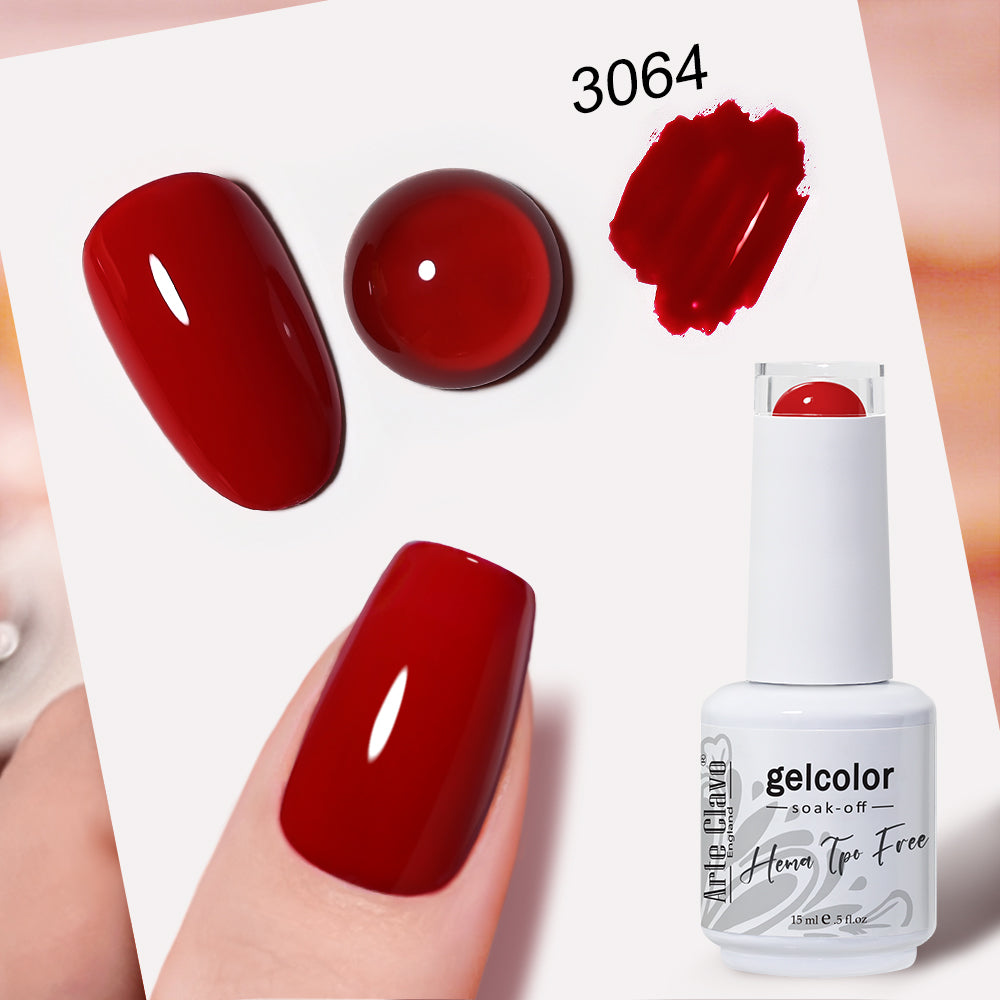
Jelly and syrup finishes
-
Nude and neutral shades
-
Glitter and pearlescent colors
-
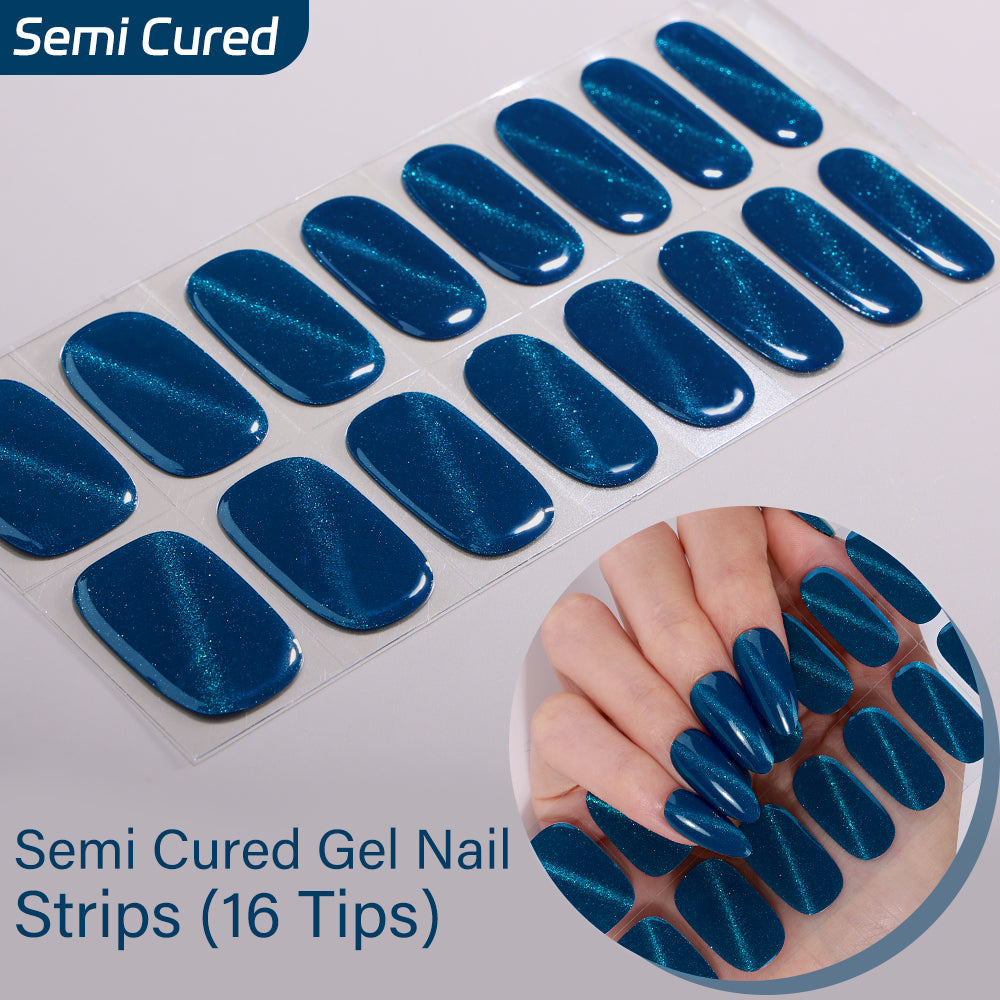
Cat-eye and magnetic effects
-
Cream and highly pigmented colors
-
Sheer and translucent shades
-
Seasonal and trend-inspired colors
This variety is one reason gel nail polish has become so popular among both professional nail technicians and people doing manicures at home.
Why Is Gel Nail Polish So Popular?
The appeal of gel polish is simple: it combines a polished appearance with long-lasting wear and creative flexibility.
For people who don't want to repaint their nails every few days, gel polish can be a convenient option. It is also particularly popular for nail art because its formula allows you to create layers, effects, and detailed designs before curing.
Here are some of the biggest benefits of gel nail polish.
7 Benefits of Gel Nail Polish
1. Long-Lasting Wear
One of the biggest reasons people choose gel polish is its durability.
When applied correctly and fully cured, gel polish can generally last much longer than traditional nail polish. The actual wear time depends on factors such as nail preparation, application technique, product formula, daily activities, and how quickly your natural nails grow.
Proper preparation and removal are just as important as the polish itself when you want your manicure to look good for longer.
2. A High-Gloss Finish
Gel polish is known for its smooth, glossy appearance.
A properly applied top coat can create a glass-like finish that makes colors look more vibrant and polished. This is particularly noticeable with sheer jelly shades, glitter polishes, and pearlescent finishes.
If you love the look of freshly finished salon nails, gel polish makes it easier to achieve a similar effect at home.
3. Fast Curing
Unlike traditional nail polish, gel polish does not need to air-dry.
Instead, it is cured under a compatible UV or LED nail lamp. This means you don't have to wait for several layers of polish to slowly dry in the air.
However, curing time varies between products and lamps. Always follow the manufacturer's recommended curing time and use a lamp compatible with the gel formula.
Proper curing is essential for achieving the intended performance of a gel product.
4. Endless Colors and Finishes
Gel polish gives you almost unlimited creative possibilities.
You can choose a minimalist nude manicure one week and a bold cat-eye or glitter design the next.
Some popular gel polish finishes include:
Jelly Gel Polish
Sheer, translucent colors that create a soft and glossy "glass nail" effect.
Glitter Gel Polish
Sparkling formulas that add dimension and shine.
Pearlescent Gel Polish
Soft reflective finishes with an elegant, luminous appearance.
Cat-Eye Gel Polish
Magnetic formulas that create a shifting light effect when used with a magnet.
Cream Gel Polish
Classic, opaque colors suitable for everyday manicures and nail art.
This variety makes gel polish especially useful for experimenting with different nail trends.
5. A Durable Finish for Everyday Life
A well-applied gel manicure can withstand many everyday activities better than conventional nail polish.
That makes gel polish a popular choice for people who want a manicure that can keep its polished appearance while they work, travel, exercise, or simply go about their daily routine.
Of course, no manicure is completely resistant to damage. Picking, peeling, excessive impact, or improper application can cause premature lifting or chipping.
6. Salon-Inspired Nails at Home
You don't necessarily need to visit a nail salon every time you want a fresh manicure.
With the right preparation, a compatible UV/LED lamp, and a few essential products, beginners can learn to create clean, glossy gel manicures at home.
A basic gel manicure typically requires:
-
Nail cleanser or preparation products
-
Base coat
-
Gel color
-
Top coat
-
Compatible UV/LED lamp
-
Nail file and buffer
-
Appropriate removal supplies
Once you understand the basic process, you can experiment with different colors and nail art techniques.
7. HEMA-Free and TPO-Free Options
Ingredient awareness has become increasingly important for gel nail consumers.
HEMA and TPO are two ingredients that frequently appear in discussions about gel nail products.
HEMA stands for 2-Hydroxyethyl Methacrylate. It is a type of methacrylate used in some nail products, including formulations designed to improve adhesion.
Repeated skin exposure to uncured products containing certain acrylates or methacrylates can contribute to sensitization in some individuals. This is one reason proper application is important: gel products should be kept off the surrounding skin and cured according to the manufacturer's instructions.
TPO refers to Trimethylbenzoyl Diphenylphosphine Oxide, a photoinitiator used in some UV/LED-curable formulations.
For consumers who prefer to avoid these ingredients, HEMA-free and TPO-free gel polish options are increasingly available.
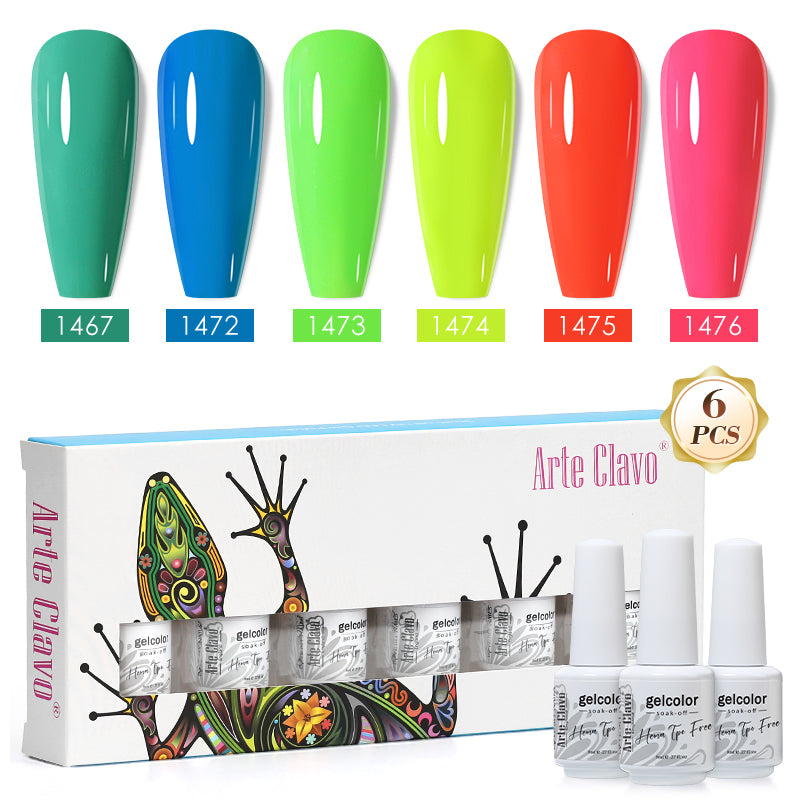
At Arte Clavo, our HEMA/TPO-free gel polish collection is designed for shoppers who specifically want formulas made without these ingredients.
[Explore HEMA & TPO-Free Gel Polish]
How Long Does Gel Nail Polish Last?
A common question is: How long does gel nail polish last?
With proper preparation and application, a gel manicure can often remain wearable for around two to three weeks. However, there is no universal wear time.
Longevity depends on:
-
Natural nail growth
-
Nail preparation
-
Base and top coat compatibility
-
Application thickness
-
Curing
-
Daily activities
-
Exposure to water and chemicals
-
Individual nail condition
If your gel polish begins lifting, avoid peeling it off. Picking or forcefully removing gel can take layers of the natural nail with it.
Instead, follow an appropriate gel removal process.
Is Gel Nail Polish Safe?
Gel nail polish can be used responsibly when you follow the product's application, curing, and removal instructions.
The most important habits are simple:
Avoid Skin Contact
Try to keep uncured gel polish away from the surrounding skin.
If gel accidentally gets onto the skin, remove it before curing rather than curing the product against the skin.
Cure According to Instructions
Do not assume that every gel polish requires the same curing time.
Different formulas and lamps can have different curing requirements. Always follow the manufacturer's instructions and use a compatible lamp.
Incomplete curing can leave uncured ingredients in the coating, which is why proper curing is an important part of gel application.
Do Not Peel Your Gel Manicure
Peeling gel polish off may remove layers of the natural nail.
If you notice lifting, cracking, or significant growth, remove the manicure using the recommended removal method instead of picking at it.
Give Your Nails Proper Care
After removing gel polish, keep your nails and surrounding skin moisturized and avoid aggressive filing or scraping.
What Does HEMA-Free Mean?
HEMA-free means that a nail product is formulated without HEMA, or 2-Hydroxyethyl Methacrylate.
Some people specifically look for HEMA-free gel polish because they want to reduce exposure to HEMA in their nail routine.
However, "HEMA-free" does not mean that a product cannot cause an allergic reaction. Other ingredients can also cause sensitization in susceptible individuals.
The safest approach is to:
-
Avoid skin contact with uncured gel
-
Follow application instructions
-
Use the correct curing system
-
Remove gel properly
-
Stop using a product if you develop an unusual reaction and seek appropriate professional advice
What Does TPO-Free Mean?
TPO-free means the formula does not contain Trimethylbenzoyl Diphenylphosphine Oxide, commonly referred to as TPO.
TPO has been used as a photoinitiator in some UV/LED-curable nail products.
For shoppers who want to avoid TPO, choosing a clearly labeled TPO-free formula makes it easier to understand what is included in the product they are purchasing.
When comparing gel polishes, it is always a good idea to check the ingredient information and product specifications rather than relying only on marketing claims.
How to Apply Gel Nail Polish at Home
A beautiful gel manicure starts with preparation.
Step 1: Prepare Your Nails
Start with clean, dry nails.
-
Remove any previous polish
-
Shape your nails with a file
-
Gently push back the cuticles
-
Lightly buff the nail surface if recommended
-
Remove dust and oils
Avoid aggressive filing. The goal is to prepare the nail surface, not thin it.
Step 2: Apply Base Coat
Apply a thin, even layer of compatible gel base coat.
Avoid flooding the cuticle or surrounding skin.
Cure the base coat according to the manufacturer's instructions.
Step 3: Apply Gel Color
Apply a thin layer of gel color.
Thin layers generally provide better control and more consistent curing than applying one very thick layer.
Keep the product away from the surrounding skin.
Cure according to the recommended curing time.
If additional coverage is needed, apply another thin layer and cure again.
Step 4: Apply Top Coat
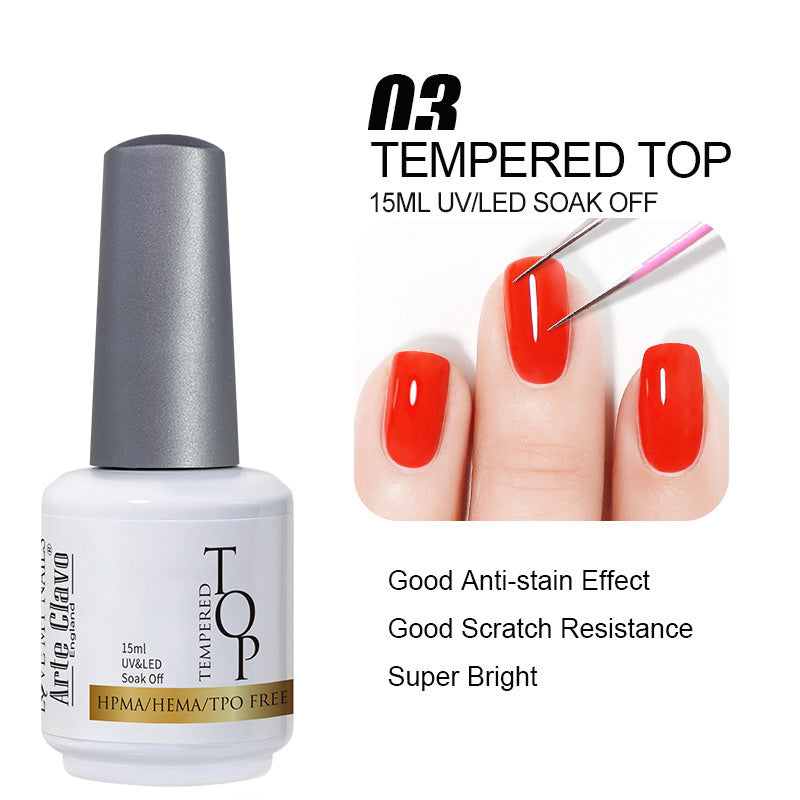
Finish with a compatible gel top coat.
The top coat helps create the final finish and protects the color underneath.
Cure according to the product instructions.
Step 5: Let Your Manicure Set Properly
Once the final layer has been cured correctly, your manicure should have the intended finish.
Avoid mixing random lamps and gel products without checking compatibility. The lamp's wavelength, intensity, curing area, and product formulation can all affect curing performance.
How to Remove Gel Nail Polish
Proper removal is just as important as proper application.
Never peel or pull gel polish from the natural nail.
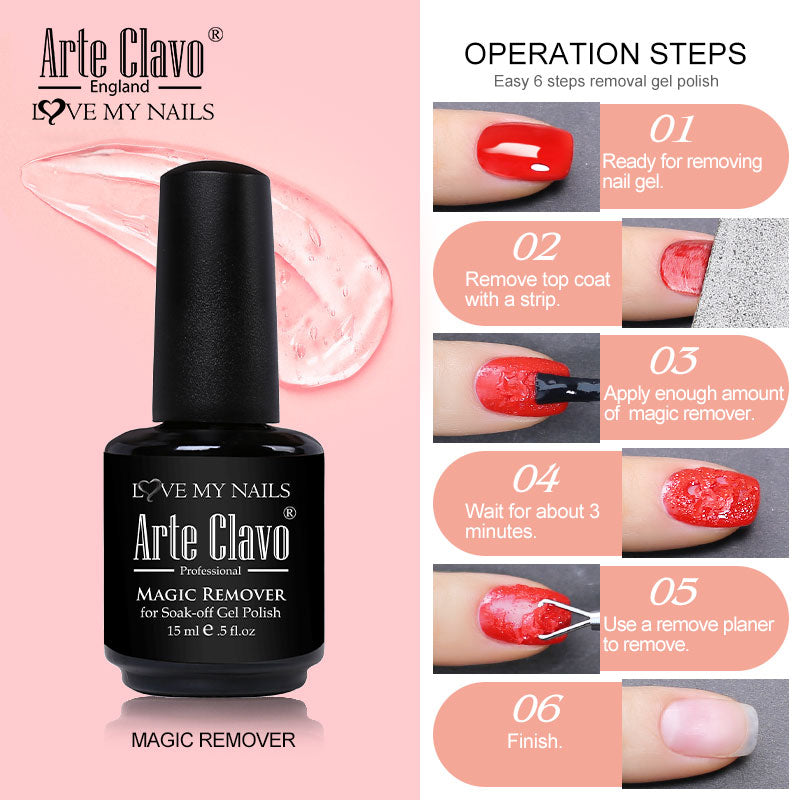
A typical soak-off removal process involves:
-
Gently filing away the top layer of the gel.
-
Saturating cotton with an appropriate gel polish remover.
-
Placing the cotton over the nail.
-
Wrapping the nail to keep the remover in contact with the product.
-
Waiting according to the remover and gel manufacturer's instructions.
-
Gently removing softened product.
-
Lightly buffing away remaining residue if necessary.
-
Moisturizing the nails and surrounding skin.
Avoid scraping aggressively. If the product does not remove easily, allow additional soaking time rather than forcing it off.
Gel Nail Polish vs. Regular Nail Polish
Not sure which type of polish is right for you?
Here's a simple comparison.
| Feature | Gel Nail Polish | Regular Nail Polish |
|---|---|---|
| Drying method | UV/LED curing | Air drying |
| Typical wear | Longer-lasting | Generally shorter |
| Finish | Glossy and durable | Varies |
| Removal | Requires a specific removal process | Usually easier to remove |
| Color selection | Very wide | Very wide |
| Nail art | Excellent for layered designs | Good for simple designs |
| Best for | Long-lasting manicures | Quick color changes |
Neither option is automatically better for everyone.
If you like changing your nail color frequently, traditional polish may be more convenient. If you want longer-lasting wear and enjoy creating detailed nail designs, gel polish may be a better fit.
How to Choose the Best Gel Nail Polish
With so many products available, choosing a gel polish can feel overwhelming.
Here are the most important things to consider.
1. Formula and Ingredients
Check the product's ingredient information and look for the formula characteristics that matter to you.
If you specifically want HEMA-free or TPO-free gel polish, make sure the product is clearly labeled and supported by reliable ingredient information.
2. Curing Requirements
Make sure your lamp is compatible with the gel polish you choose.
Do not assume that every UV or LED lamp will cure every gel formula in exactly the same way.
3. Color and Finish
Think about the type of manicure you actually enjoy.
Do you prefer:
-
Sheer jelly nails?
-
Minimalist nude nails?
-
Sparkling glitter?
-
Pearlescent finishes?
-
Magnetic cat-eye effects?
-
Bold, opaque colors?
Choosing the right finish can make a bigger difference than simply choosing the "best" brand.
4. Application
For beginners, a gel polish that is easy to control and apply in thin layers can make the learning process much easier.
5. Your Nail Routine
Consider how often you want to change your manicure and how much time you want to spend on application and removal.
The best gel polish is ultimately the one that fits your routine.
Gel Nail Polish for Beginners
If you're completely new to gel polish, don't try to recreate complicated nail art on your first attempt.
Start with a simple manicure:
Prep → Base → Color → Cure → Top Coat → Cure
Choose a simple nude, pink, brown, or jelly shade and focus on getting the application technique right.
Once you are comfortable with the basics, you can experiment with:
-
French manicures
-
Jelly nails
-
Glitter nails
-
Cat-eye effects
-
Chrome effects
-
Layered nail art
-
Seasonal nail colors
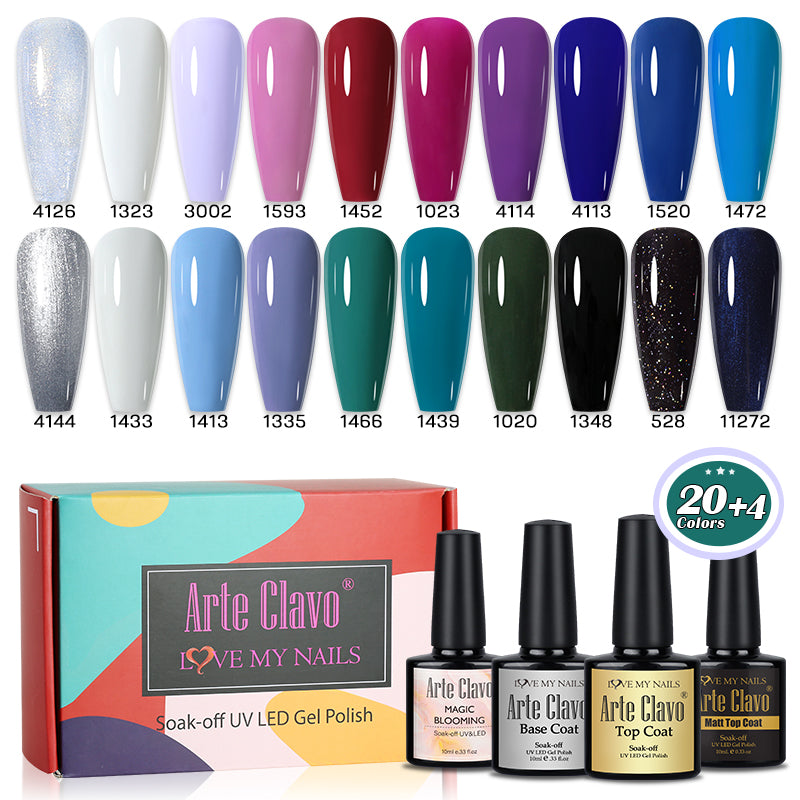
A good beginner kit can also make the process easier because the products are designed to work together.
[Shop Gel Nail Polish Starter Kits]
Common Gel Nail Polish Mistakes to Avoid
Applying Gel Too Thickly
Thick layers can make curing less consistent.
Use thin, even layers instead.
Getting Gel on the Skin
Clean up any gel that touches the surrounding skin before curing.
Using an Incompatible Lamp
The lamp is part of the curing system. Use a lamp recommended or specified for the gel formula.
Skipping Nail Preparation
Oil, dust, moisture, or poorly prepared nails can contribute to lifting and reduced wear.
Peeling Off Your Gel Polish
This can damage the surface of the natural nail.
Use the recommended removal process instead.
Mixing Products Without Checking Compatibility
Base coat, color, top coat, and lamp systems are not necessarily interchangeable.
When possible, use compatible products and follow the manufacturer's instructions.
Frequently Asked Questions About Gel Nail Polish
How long does gel nail polish last?
A properly applied gel manicure can often last around two to three weeks, although actual wear time varies depending on nail growth, preparation, application, curing, and daily activities.
Does gel nail polish need a UV or LED lamp?
Yes. Most gel nail polishes are designed to cure under a compatible UV or LED nail lamp rather than air-dry.
Can beginners use gel nail polish?
Absolutely. Beginners can start with simple colors and a basic application routine. Proper nail preparation, thin layers, and correct curing are the most important fundamentals.
How long does gel polish take to cure?
Curing time varies by formula and lamp. Always follow the manufacturer's recommended curing time rather than guessing.
What is HEMA-free gel polish?
HEMA-free gel polish is formulated without HEMA (2-Hydroxyethyl Methacrylate). It is an option for consumers who specifically want to avoid HEMA in their nail products.
What is TPO-free gel polish?
TPO-free gel polish is formulated without Trimethylbenzoyl Diphenylphosphine Oxide, a photoinitiator used in some UV/LED-curable products.
Is HEMA-free gel polish allergy-free?
No. HEMA-free does not mean allergy-free. Other ingredients can still cause reactions in susceptible individuals. Avoid skin contact with uncured products and follow the manufacturer's instructions.
Can I remove gel nail polish at home?
Yes, many soak-off gel products can be removed at home using an appropriate removal method. Avoid peeling or forcefully scraping the product from the natural nail.
Why is my gel polish peeling?
Peeling can have several causes, including inadequate nail preparation, product touching the skin, incompatible products, improper curing, or normal nail growth.
Can I use regular nail polish under gel polish?
It depends on the products and application system. For predictable results, it is generally best to follow the manufacturer's recommended product system rather than combining unrelated formulas.
Find Your Perfect Gel Nail Polish
Gel nail polish gives you the freedom to create everything from simple everyday manicures to bold, trend-driven nail art.
Whether you prefer translucent jelly shades, classic neutrals, sparkling finishes, or magnetic effects, there is a gel polish style for almost every mood and occasion.
If you're looking for HEMA-free and TPO-free options, explore Arte Clavo's gel polish collection and discover colors designed for creative, at-home manicures.
Ready to find your next favorite shade?
[Shop Arte Clavo Gel Nail Polish]
Final Thoughts
Gel nail polish is more than just a longer-lasting alternative to traditional polish. It offers a combination of durability, shine, color variety, and creative flexibility that makes it popular with both beginners and experienced nail enthusiasts.
The key to a successful gel manicure is not simply choosing a good color. Proper preparation, thin application, compatible curing, careful skin protection, and gentle removal all play an important role.
And as consumers become more ingredient-conscious, options such as HEMA-free and TPO-free gel polish give shoppers more choices when building their nail routines.
Take your time, follow the product instructions, and focus on healthy application and removal habits.
Your next great manicure might be closer than you think.