
If you've ever wondered why some gel manicures look juicy, translucent and almost glass-like while others look smooth, creamy and completely opaque, the answer often comes down to one thing: the type of gel polish you're using.
Jelly gel polish and regular gel polish can both create beautiful, long-lasting manicures, but they are designed to create very different visual effects.
Jelly gel polish is all about translucency, buildable color and depth. Regular gel polish is generally designed to provide more consistent, opaque color coverage.
Neither finish is better than the other. The right choice depends on the manicure you're creating.
At Arte Clavo, we love having both options in the nail color wardrobe. Sometimes you want a soft wash of cherry red. Other times, you want full-coverage black, creamy nude or a bold pop of color.
So, let's break down the difference between jelly gel polish and regular gel polish — and when to reach for each one.
Jelly Gel Polish vs Regular Gel Polish at a Glance
| Feature | Jelly Gel Polish | Regular Gel Polish |
|---|---|---|
| Coverage | Sheer to semi-transparent | Usually medium to high coverage |
| Color effect | Translucent and buildable | More solid and consistent |
| Natural nail visibility | Some of the nail can remain visible | Usually less visible |
| Layering | Excellent for building depth | Mainly used to build coverage |
| Finish | Glossy, juicy, glass-like | Creamy, glossy or effect-based |
| Best for | Jelly, syrup, glass and layered looks | Classic, bold and opaque manicures |
| Color intensity | Increases with additional thin layers | Usually stronger from the first coat |
| Nail art potential | Excellent for layering and dimensional effects | Excellent for solid color and detailed designs |
The biggest difference isn't simply how much color you see.
It's how light interacts with the color.
What Is Jelly Gel Polish?
Jelly gel polish is a translucent gel color designed to let some light pass through the polish.
Instead of completely hiding the nail underneath, the color creates a soft, dimensional effect that can look similar to colored glass, translucent candy or a glossy syrup finish.
With a jelly formula, you can usually build the intensity gradually:
One thin coat → sheer tint
Two thin coats → classic jelly color
Additional thin coats → deeper, richer translucency
This buildable quality is what makes jelly gel polish so versatile.
Arte Clavo's HEMA-free & TPO-free Jelly Translucent Gel Nail Polish collection is designed around this idea of buildable, translucent color, with shades intended for jelly nails, syrup nails, glass-inspired manicures and layered nail art.
What Is Regular Gel Polish?
Regular gel polish generally provides more opaque color coverage than jelly gel polish.
Depending on the formula and shade, one or two thin coats may create a much more solid appearance.
Think:
-
Classic red nails
-
Opaque black
-
Creamy nude
-
Bright pink
-
White manicure
-
Solid blue
-
Bold green
-
French manicure bases
Regular gel polish is especially useful when you want the color itself to be the main visual statement rather than the natural nail underneath.
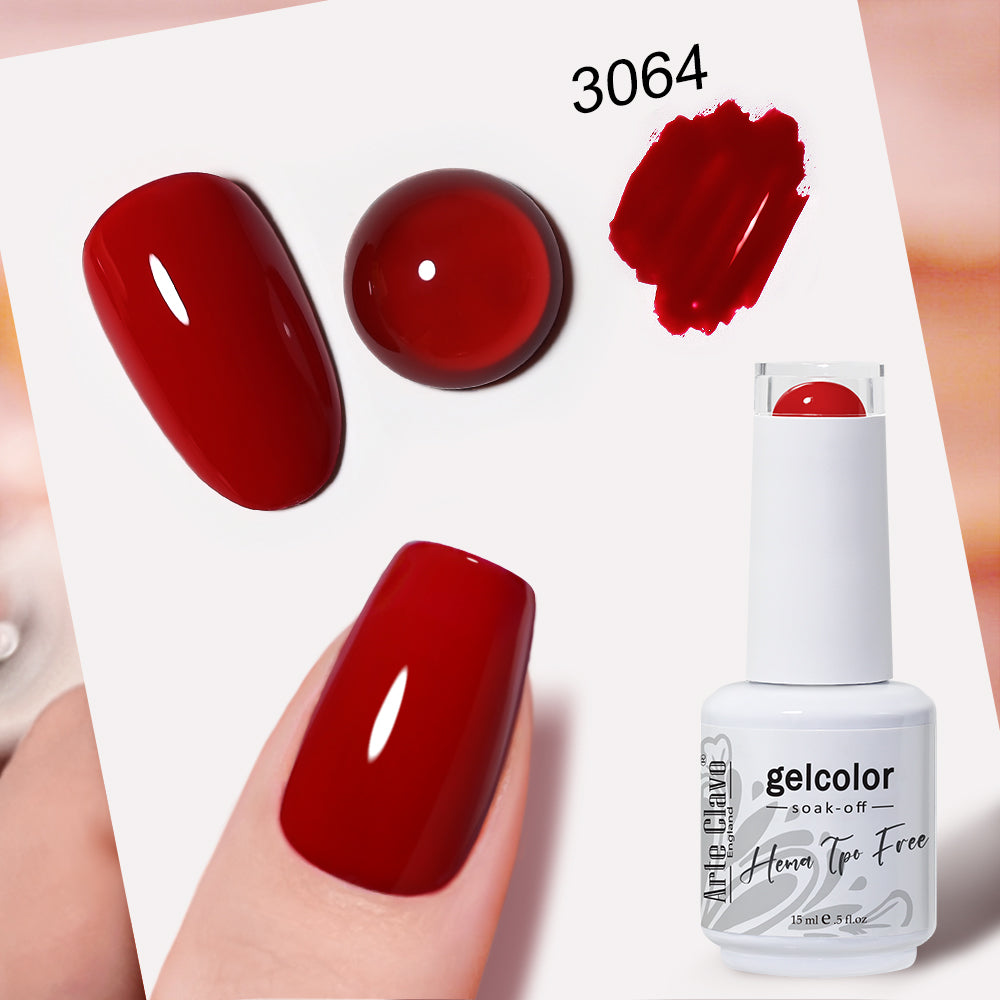
For example, a highly pigmented red gel can create a clean, classic manicure, while a red jelly gel can create a translucent cherry or stained-glass effect.
Same color family. Completely different mood.
The Biggest Difference: Transparency
This is where jelly gel polish really stands apart.
Jelly Gel Polish
The color remains partially transparent.
You can see some of the nail underneath, especially with lighter shades and fewer coats.
Regular Gel Polish
The color generally provides more complete coverage.
The natural nail becomes much less visible once the polish has been applied.
Here's a simple way to think about it:
Jelly = color + light + depth
Regular gel = color + coverage
That's why jelly manicures can look so dimensional even when the nail art itself is very simple.
Jelly Gel Polish vs Regular Gel Polish: Which Has More Coverage?
If maximum coverage is your goal, regular gel polish is generally the more straightforward choice.
Jelly gel polish is intentionally more transparent.
But that doesn't mean jelly polish has to stay extremely sheer.
One of the fun parts of jelly gel is that you control the color intensity by layering.
One Coat
A single thin coat can create a subtle wash of color.
This works beautifully for:
-
Clean-girl manicures
-
Natural-looking nails
-
Sheer pinks
-
Soft peaches
-
Minimalist manicures
Two Coats
Two thin coats can create the classic jelly effect — noticeable color while maintaining translucency.
Three or More Thin Layers
Additional layers can create a deeper, richer appearance.
This is especially useful for darker shades such as cherry, berry, wine, brown and plum.
The key is to build color gradually rather than applying one thick layer.
Which One Looks More "Glass-Like"?
If you're looking for that translucent, glossy, dimensional manicure that resembles colored glass, jelly gel polish is usually the better starting point.
The transparency of the color creates visual depth, while a glossy top coat enhances the shine.
For the best result:
-
Prepare the nails properly.
-
Apply a thin base coat.
-
Apply a thin layer of jelly gel polish.
-
Cure according to the product and lamp manufacturer's instructions.
-
Add another thin layer if more color is desired.
-
Finish with a compatible glossy top coat.
The secret isn't simply adding more product.
It's building the color in thin, controlled layers.
Which One Is Better for Nail Art?
Honestly? Both.
They just play different roles.
Regular Gel Polish Works Well For:
-
Solid-color manicures
-
French tips
-
Color blocking
-
Graphic nail art
-
High-contrast designs
-
Bold bases
-
Detailed nail art
Jelly Gel Polish Works Well For:
-
Jelly nails
-
Syrup nails
-
Glass-inspired nails
-
Layered nail art
-
Jelly French tips
-
Aura-style effects
-
Translucent ombré
-
Layering over glitter or shimmer
-
Cat-eye + jelly combinations
Jelly is especially interesting when you want to see the layers underneath the color.
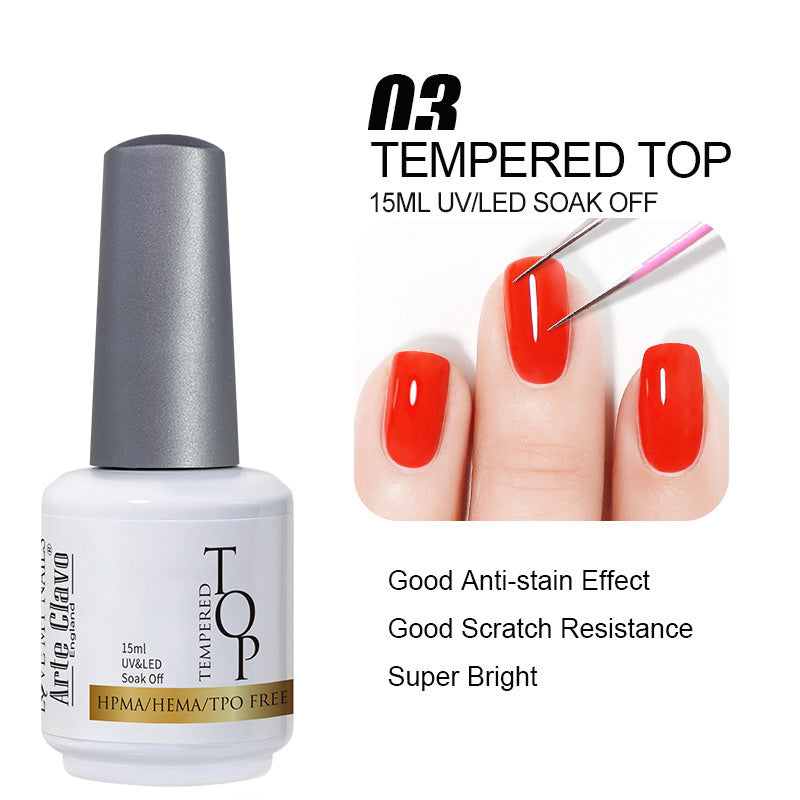
For example, a magnetic cat-eye layer can be covered with a translucent jelly shade to create additional color and depth. Arte Clavo's cat-eye and jelly layering guide explores this technique in more detail.
Can You Use Jelly and Regular Gel Polish Together?
Absolutely.
In fact, combining different finishes is one of the easiest ways to create more dimensional nail art.
Here are a few combinations to try.
Regular Color + Jelly
Apply an opaque color as a base, then add a thin jelly layer over it.
This can soften or shift the appearance of the base color while adding translucency.
Glitter + Jelly
Apply glitter or shimmer underneath a translucent jelly shade.
The jelly layer acts like a tinted glass filter over the sparkle.
Cat-Eye + Jelly
Create your magnetic cat-eye effect first, then add a translucent jelly layer.
The result combines:
Reflection + Transparency + Color + Depth
Pearl + Jelly
A pearl or aurora effect underneath a translucent jelly color can create a soft, dimensional finish.
The important thing is to use products according to their individual application and curing instructions and to keep gel layers thin enough for proper curing.
Jelly Gel Polish or Regular Gel Polish: Which Should You Choose?
It really comes down to the look you're trying to create.
Choose Jelly Gel Polish If You Want:
-
A translucent finish
-
Buildable color
-
Glass-like nails
-
Jelly or syrup-inspired manicures
-
Soft, dimensional color
-
Layered nail art
-
A manicure where the natural nail remains partially visible
Choose Regular Gel Polish If You Want:
-
More opaque coverage
-
Bold, solid color
-
Strong color contrast
-
Classic manicures
-
French tips
-
Graphic nail art
-
A more uniform color appearance
And if you can't decide?
Use both.
That's where things get interesting.
Popular Jelly Gel Polish Colors to Try
Jelly finishes work particularly well with colors that naturally create depth when layered.
Cherry Red
One thin coat gives a soft red tint. Additional layers create a richer cherry effect.
Strawberry Pink
Perfect for soft, fresh and feminine manicures.
Peach
A warm peach jelly can create a soft, juicy finish that works beautifully for everyday nails.
Brown
Brown jelly creates a deeper syrup-inspired effect and works especially well for fall and minimalist manicures.
Plum & Berry
Darker jelly shades become increasingly dimensional as you build the color.
Green & Blue
Cool-toned jelly shades can create a glassy, jewel-like appearance.
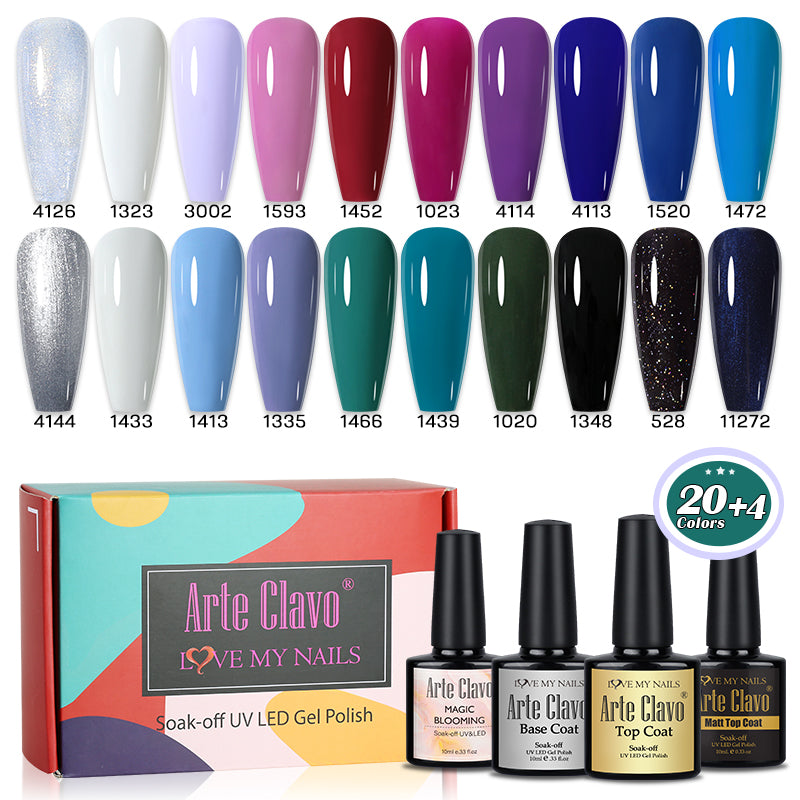
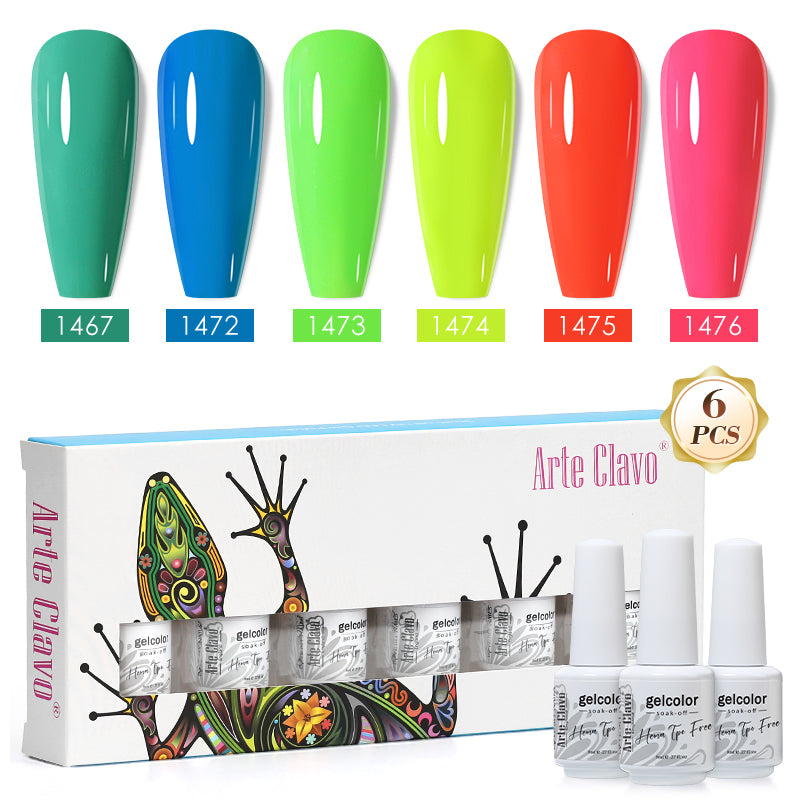
Arte Clavo's current gel polish collection includes translucent jelly shades alongside classic, glitter, pearlescent and other color finishes, giving you plenty of ways to combine coverage and transparency in one manicure.
Can Jelly Gel Polish Replace Regular Gel Polish?
Not exactly — and that's actually the point.
Jelly gel polish isn't meant to replace regular gel polish.
They are different finishes designed for different results.
Think of your nail color collection like a wardrobe.
Regular gel polish is your classic white shirt — dependable, versatile and easy to build a look around.
Jelly gel polish is that translucent statement piece that adds depth, color and a little bit of personality.
Having both gives you more creative options.
A Simple Way to Choose Your Finish
Before choosing your gel polish, ask yourself one question:
"Do I want to see the nail underneath the color?"
Yes → Try jelly gel polish.
You can build the shade gradually and keep some transparency.
No → Try regular gel polish.
Choose a more opaque formula when you want solid, consistent color.
Want both?
Layer them.
That's where the most interesting combinations can happen.
Final Thoughts: Jelly or Regular Gel?
There isn't a winner between jelly gel polish and regular gel polish.
They simply create different kinds of beauty.
Jelly gel polish gives you translucency, buildable color and dimensional shine.
Regular gel polish gives you stronger coverage and a more solid color statement.
At Arte Clavo, we believe nail color should give you room to experiment.
Start with one sheer layer. Add another. Change the base. Layer a shimmer. Try a cat-eye underneath. Mix finishes.
Your manicure doesn't have to fit into one category.
Sometimes the best nail look happens somewhere between color and transparency.
Ready to Try the Jelly Look?
Explore Arte Clavo's HEMA-free & TPO-free Jelly Translucent Gel Nail Polish collection and experiment with sheer color, syrup-inspired depth and glass-like nail looks.
One color. Different layers. Completely different mood.
Arte Clavo — Create your color. Create your style.
Quick FAQ
Is jelly gel polish the same as sheer gel polish?
Not exactly. Both can be translucent, but jelly gel polish is typically associated with a more noticeable, glossy and buildable color effect. "Sheer" generally describes the level of coverage rather than one specific formula type.
Is jelly gel polish more transparent than regular gel polish?
Generally, yes. Jelly gel polish is designed to remain partially transparent, while regular gel polish is typically formulated for more complete color coverage.
How many coats of jelly gel polish should I use?
It depends on the shade and the look you want. One thin coat creates a softer tint, while two or more thin coats can create deeper color while retaining translucency.
Can I use regular gel polish under jelly gel polish?
Yes. Layering a regular gel color underneath a translucent jelly shade can change the depth and appearance of the final color. Make sure each layer is compatible with the system and properly cured according to the manufacturer's instructions.
Can jelly gel polish be used for nail art?
Yes. Jelly gel polish works particularly well for layered nail art, jelly French tips, translucent ombré, glass-inspired designs and combinations with glitter, pearl or cat-eye effects.
Is HEMA-free the same as allergy-free?
No. HEMA-free does not mean allergy-free. Gel products can contain other ingredients that may cause sensitization. Avoid skin contact with uncured gel and follow the product's application, curing and removal instructions. Arte Clavo's approach is to provide clear formula information rather than make broad safety guarantees.
Explore More from Arte Clavo